
Reimagining the Underground: A New Take on Workers’ Strikes
In a decade of narrative‑heavy releases, few titles have dared to center their stories on the gritty realities of labor disputes. A Line Held Tight, a charcoal‑themed visual novel set in the 32nd century, offers a fresh perspective by making a miners’ strike the heart of its plot. The game positions itself as a mecha visual novel, blending classic narrative choices with mechanical elements that reflect the industrial setting.
Unlike the more common sci‑fi action or RPG titles that dominate the market, this title places the everyday struggles of workers at the forefront. It explores the tension between a workforce demanding fair conditions and the powerful corporations that control the planet’s precious resources. By focusing on a strike rather than a single questline, the game expands the scope of what a visual novel can address, tackling themes of solidarity, negotiation, and the human cost of industrial progress.
The Setting: 32nd‑Century Mining in Charcoal‑Styled Graphics
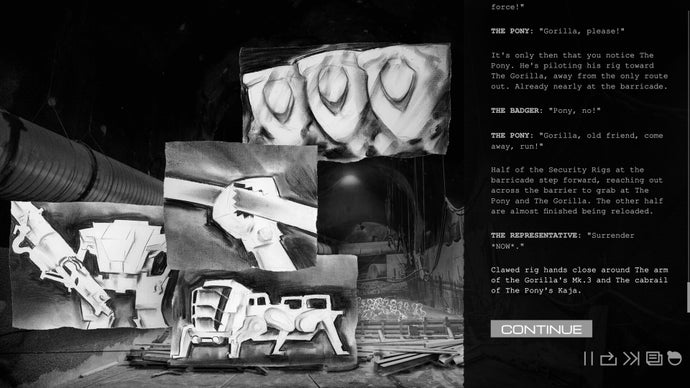
A Line Held Tight transports players to a distant future where mining operations run deep beneath the planet’s surface. The visual style is deliberately charcoal‑inspired, giving the game a stark, almost documentary feel that underscores the harshness of the miners’ environment. The mecha elements—whether they involve robotic exosuits or automated mining rigs—serve as a backdrop that reinforces the industrial atmosphere and the mechanized nature of the conflict.
By placing the narrative in this distant era, the game invites players to reflect on contemporary labor issues through a speculative lens. The 32nd‑century setting allows for a blend of familiar workplace dynamics and futuristic technology, creating a unique narrative space where old grievances meet new challenges.
Choosing Relationships Wisely in a Time of Conflict
At its core, A Line Held Tight is a relationship‑driven visual novel. Players navigate a web of interpersonal connections that span the mine’s workforce, corporate executives, and the broader community. Each choice not only affects personal dynamics but also influences the outcome of the strike. The game rewards careful consideration of who to trust, when to stand in solidarity, and how to balance personal ambition with collective goals.
This emphasis on relationship management adds depth to the strike narrative, turning the conflict into a series of personal negotiations rather than a single, linear storyline. Players must weigh the benefits of alliances against the risks of betrayal, and the game’s branching paths reflect the complex reality of labor disputes.
Why It Matters: A Gap in Gaming Storytelling
For many years, games have explored a wide array of themes, but stories that revolve around workers’ strikes remain scarce. Citizen Sleeper 2, for example, offers a questline that touches on labor issues, yet it does not make the strike the central focus of its narrative. A Line Held Tight fills this void by dedicating its entire plot to the miners’ struggle, offering a more immersive and nuanced exploration of the topic.
By dedicating its narrative to this subject, the game invites players to consider the human side of industrial conflict. It asks what it means to fight for better conditions, how personal relationships shape collective action, and what sacrifices are necessary for a just outcome. These questions resonate beyond the gaming world, encouraging players to reflect on real‑world labor movements.
Gameplay Mechanics: Visual Novel Meets Mecha
While the game’s primary mode of interaction remains the visual novel format—dialogue choices, narrative branching, and relationship management—it also incorporates mecha elements that add a layer of strategic decision‑making. Players can choose to deploy mechanical support during negotiations or to protect key personnel, turning the strike into a dynamic interplay between human agency and technological power.
These mechanics deepen the narrative by illustrating how machinery can both empower and oppress, mirroring the real tensions between labor and corporate control. The visual novel framework ensures that each decision carries weight, while the mecha components keep the gameplay engaging and varied.
Conclusion: A Thoughtful Addition to the Genre
A Line Held Tight stands out as a game that tackles an often overlooked subject—workers’ strikes—within a futuristic, visually striking setting. Its focus on relationship choices and the consequences of collective action offers a fresh narrative experience for fans of visual novels and anyone interested in labor history and its modern echoes.
By blending a charcoal aesthetic, mecha elements, and a deeply personal storyline, the game expands the possibilities of what visual novels can explore. It invites players to step into the shoes of a miner fighting for dignity, reminding us that the stories we tell in games can—and should—address the complexities of real‑world struggles.

No comments:
Post a Comment