
A Surreal Afterlife Platformer
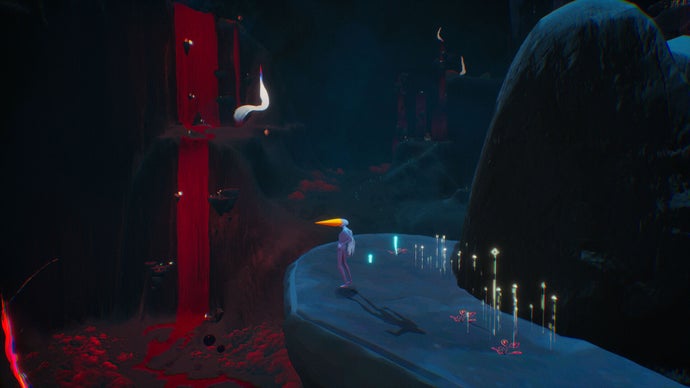
Abel is a platforming adventure that takes players into a dream‑like version of the afterlife. The game follows a man who has passed on and finds himself in a strange, pastoral realm where the rules of gravity and logic feel fluid. Instead of the expected paradise of eternal bliss, the setting is populated by peculiar companions and a quiet, contemplative atmosphere. The player must tend to gardens, carve masks, and navigate a series of inventive levels while keeping an eye on what the world around them might truly be.
From League of Legends to Abel: The Creative Mind Behind the Title
The game is the brainchild of a former animator who worked on the popular multiplayer title League of Legends. That background informs the meticulous animation and fluid character movement that define Abel’s gameplay. In addition to his animation experience, the developer also composed the music for Zach Cregger’s rendition of Resident Evil. That dual expertise in visual storytelling and musical composition gives the game a distinctive aesthetic and sonic palette, blending whimsical visuals with an atmospheric soundtrack that underscores the surreal setting.
Gameplay and Aesthetics
At its core, Abel is a platformer that rewards exploration and creativity. Levels are crafted to encourage players to experiment with the environment: the gardens can be tended in multiple ways, and mask‑carving sequences offer a tactile, almost meditative diversion from the usual run‑and‑jump mechanics. The art style leans into the uncanny, using bright, almost child‑like colors juxtaposed with more subtle, dream‑like tones. The result is an experience that feels both playful and introspective.
The game’s mechanics are tightly integrated with its narrative. As Abel moves through each level, he interacts with the world in ways that hint at deeper questions about existence and the nature of the afterlife. The gameplay is intentionally simple enough for casual players to pick up, yet layered with hidden details that reward more careful observation.
Narrative and Tone
Abel’s story is intentionally ambiguous. The protagonist is a man who has died and is now tasked with maintaining gardens and carving masks, but the game offers no clear explanation for why he is there or what this place truly represents. This uncertainty is a deliberate design choice, encouraging players to focus on the present moment rather than chase a definitive answer. The tone is whimsical yet contemplative, striking a balance between lighthearted platforming and thoughtful reflection on mortality.
The narrative avoids the typical trope of a hedonistic paradise. Instead of a utopia where the dead simply enjoy endless pleasures, Abel presents a quieter, more reflective existence. The presence of a companion named Gary—who only eats cheese sandwiches—adds a touch of humor without detracting from the overall contemplative mood.
Reception and Context
While Abel has not yet been released on a wide range of platforms, it has already garnered attention from gaming journalists. A recent review on Rock Paper Shotgun praised the game’s unique blend of animation, music, and surreal storytelling. The review highlighted the developer’s background in animation and composition as key strengths, noting how those skills translate into a cohesive and engaging experience.
Final Thoughts
Abel offers a fresh take on the platformer genre, combining playful mechanics with a thoughtful exploration of the afterlife. The game’s unique visual and musical style, born from a developer’s experience in both animation and music composition, sets it apart from more conventional platform titles. Players who enjoy games that encourage curiosity, experimentation, and a touch of philosophical reflection are likely to find Abel a memorable addition to their library.

No comments:
Post a Comment