
How a High‑End Chip Became a Scam Target
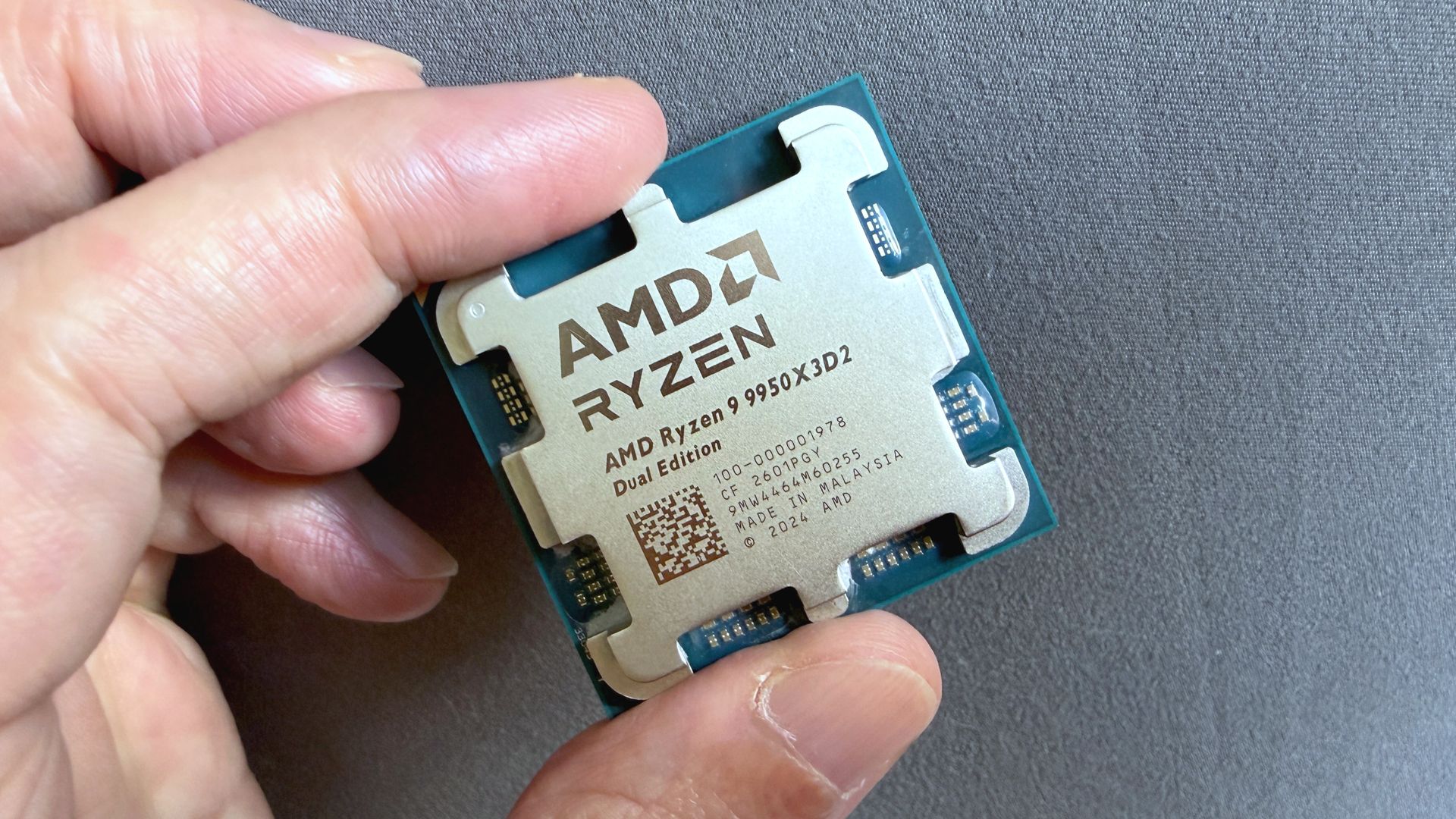
In a recent exposé, PC Gamer revealed that an Amazon customer return went far beyond a simple refund. The culprit reportedly removed the integrated heat spreader from an AMD Ryzen 9 9950X3D2 – a processor that carries a price tag of $889 – and transplanted the chip onto an older Intel motherboard. The altered unit then slipped through Amazon’s return inspection, raising alarms about the robustness of online marketplace safeguards.
Delidding Explained
Delidding is a niche practice in the PC‑building community. By carefully removing the heat spreader that sits atop a CPU, technicians can replace the stock cooler with a more efficient aftermarket solution or, in this case, remove the chip entirely. The process is delicate; a misstep can damage the silicon or the socket. That the scammer successfully performed the operation and re‑installed the chip on a different platform speaks to a high level of technical skill.
Why the 9950X3D2 Is a Valuable Target
The Ryzen 9 9950X3D2 is not a budget component. Priced at $889, it sits at the top of AMD’s desktop lineup, offering 16 cores and 32 threads, along with 3D V‑Cache for gaming and content creation workloads. Its premium status makes it a lucrative item for fraudsters who can sell a compromised unit for a fraction of its original value while still claiming it is “new.”
Transplanting onto an Intel Board
Transplanting a CPU onto a different socket is not trivial. The 9950X3D2 uses the AM5 socket, whereas older Intel chips often use LGA 1200 or LGA 1151. The scammer would have needed to modify the board or use an adapter to fit the AMD die into the Intel package. This maneuver suggests the perpetrator possessed specialized tools and knowledge, or had access to a custom board that could accommodate the chip.
Amazon’s Return Inspection Process
Amazon’s return policy typically involves a visual inspection of the returned item, checking for obvious signs of damage or tampering. In this case, the altered processor passed that inspection, implying that the visual checks are insufficient to detect internal modifications. The incident highlights a blind spot in the return workflow that could be exploited by other fraudsters.
Implications for Buyers and the Marketplace
For consumers, the takeaway is clear: even a “refurbished” or “returned” CPU can be compromised. Gamers and PC builders should verify the integrity of hardware before purchase, especially when buying from secondary markets. For Amazon, the episode may prompt a review of its inspection protocols, potentially incorporating more rigorous testing or requiring sellers to provide serial‑number verification.
Industry Response and Future Safeguards
While the article does not report any official statements from Amazon or AMD, it is likely that both parties will examine the incident closely. AMD, whose Ryzen 9 9950X3D2 is a high‑value component, may consider additional anti‑tamper measures such as secure packaging or tamper‑evident seals. Amazon could explore enhanced return verification steps, possibly including firmware checks or hardware diagnostics, to catch such sophisticated fraud attempts.
Conclusion
The case of the delidded Ryzen 9 9950X3D2 transplanted onto an Intel board underscores the evolving nature of hardware fraud in the e‑commerce era. As processors become more powerful and expensive, the incentives for illicit manipulation grow. Both buyers and sellers must stay vigilant, and marketplaces may need to adapt their return policies to protect against increasingly technical scams.

No comments:
Post a Comment