
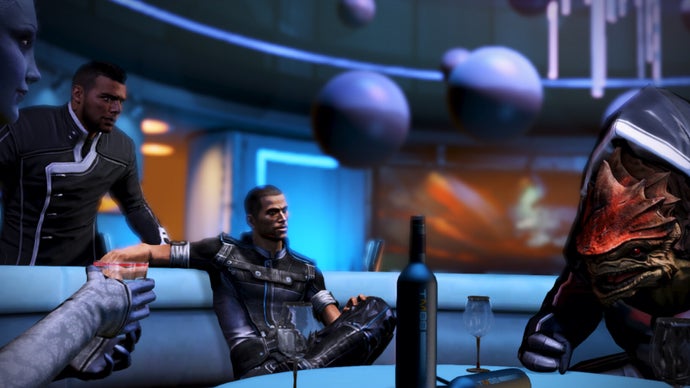
BioWare’s Future Faces Uncertainty After EA Acquisition
Since Electronic Arts’ 2019 purchase of BioWare, the studio’s future has been a topic of speculation among fans and industry observers. The acquisition brought a promise of continued creative freedom, but recent reports suggest that the studio may be at risk of closure if the parent company’s strategic priorities shift. In this climate, a political figure from Canada has stepped forward with a proposal that could change the trajectory of the beloved developer.
Political Intervention Proposed by a Canadian Party Leader
A Canadian political party leader has publicly stated that the staff of BioWare should receive the first opportunity to purchase the studio, with support from the federal government. The proposal, highlighted in a recent Rock Paper Shotgun article, frames the move as a way to preserve the studio’s legacy and keep its team intact.
The suggestion follows a broader conversation about the fate of creative studios after acquisitions by larger publishers. The politician’s stance is framed as an act of goodwill toward a studio that has produced some of the industry’s most celebrated role‑playing titles, rather than a direct challenge to Electronic Arts’ ownership. While the proposal is described as unlikely to materialize in the short term, it underscores growing concerns about the sustainability of independent creative teams under corporate umbrellas.
Why Staff Buyouts Matter to the Gaming Community
BioWare’s catalog—including Mass Effect, Dragon Age, and Star Wars: Knights of the Old Republic—has earned a reputation for deep storytelling and complex character development. Fans fear that a shuttered studio would erase the potential for new installments and spin‑offs that could enrich these worlds. A staff‑led buyout, supported by the government, would theoretically allow the team to continue producing titles under its own brand, preserving both creative control and employment.
Industry analysts note that staff buyouts are rare but not unprecedented. The most notable example is the 2018 sale of BioShock Infinite developer Irrational Games’ assets to 2K, which allowed the core team to continue working on a new project under a different banner. However, such deals often involve complex negotiations and significant capital, making the Canadian proposal an ambitious undertaking.
Potential Benefits and Challenges of Federal Involvement
Proponents argue that federal support could provide the necessary capital and regulatory guidance to facilitate a smooth transition. With government backing, the staff could secure the studio’s assets, maintain its brand identity, and continue to deliver content to fans. Additionally, keeping the studio operational would preserve jobs and sustain the Canadian gaming ecosystem.
Critics, however, caution that government involvement in a private business venture could create unintended legal and financial complications. They point out that the process would need to navigate corporate law, intellectual property rights, and potential antitrust concerns. Moreover, the proposal’s feasibility remains uncertain given the lack of a clear funding mechanism and the need to negotiate with Electronic Arts.
What This Means for BioWare’s Current Projects
At present, BioWare is reportedly working on a new Mass Effect sequel, though details remain sparse. If the studio were to be acquired by its staff, the project could either continue under the new ownership or be restructured to fit a different business model. Fans and industry watchers are keen to see whether the proposed buyout would affect the development timeline or the creative direction of upcoming releases.
While the political leader’s statement has not yet prompted any formal action from Electronic Arts or the Canadian government, it has sparked discussion across gaming forums and social media. Some commentators see it as a rallying cry for the broader issue of preserving creative studios, while others view it as a symbolic gesture with limited practical impact.
Looking Ahead: The Road to a Possible Buyout
Should the staff buyout move forward, several steps would need to be completed. First, a valuation of the studio’s assets—including intellectual property, ongoing projects, and real‑estate holdings—would have to be established. Next, the staff would need to secure sufficient funding, potentially through a combination of government grants, private investment, and crowdfunding. Finally, legal agreements would have to be negotiated with Electronic Arts to transfer ownership and ensure continuity of brand rights.
Until such processes begin, the future of BioWare remains uncertain. The Canadian political party leader’s proposal, while unlikely to materialize immediately, highlights a growing awareness of the fragility of creative studios in the modern gaming landscape. Whether the federal government will step in to support a staff‑led acquisition remains to be seen, but the conversation has already prompted industry stakeholders to consider alternative models for preserving and empowering game development teams.

No comments:
Post a Comment