
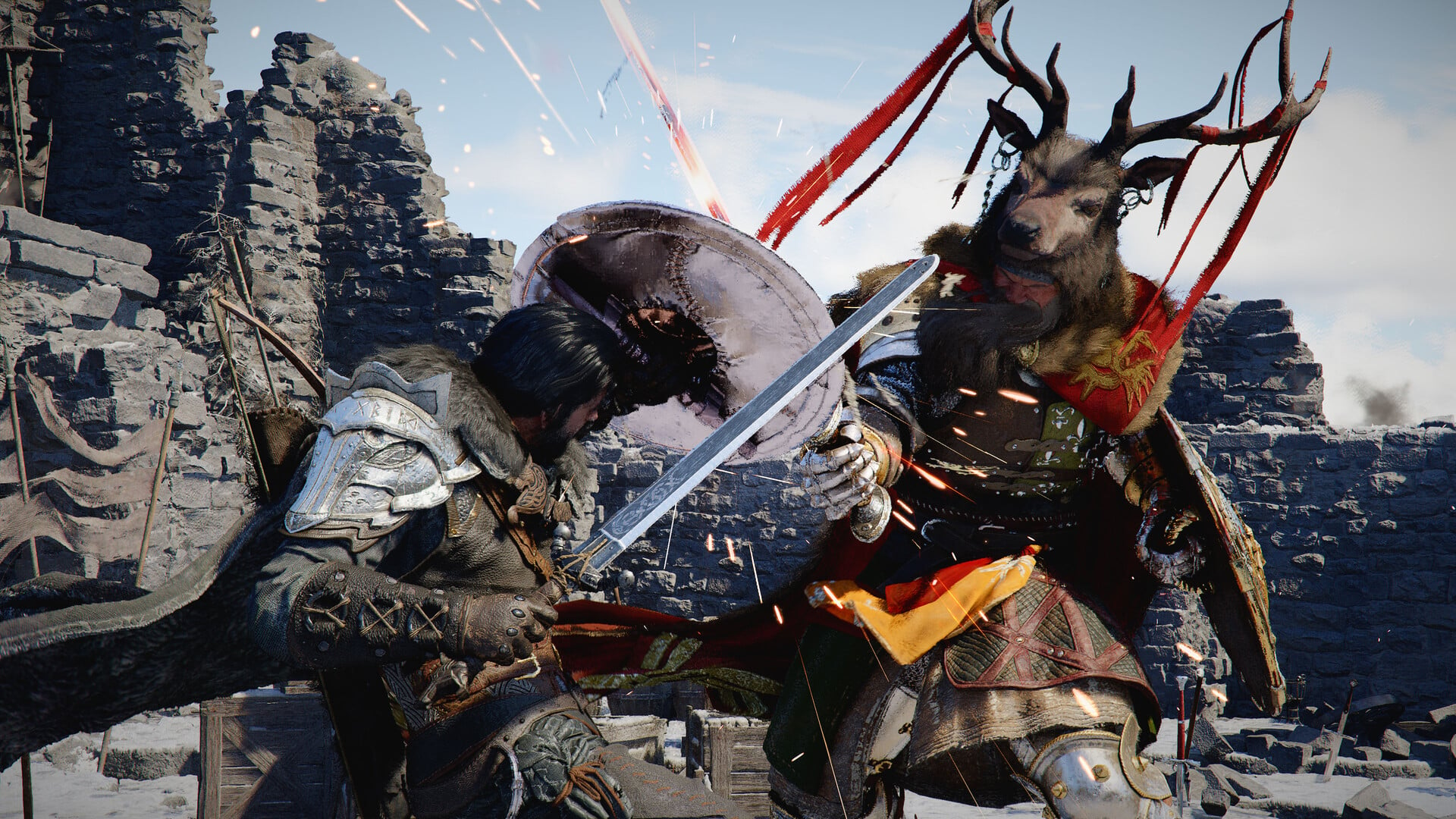
Executive Addresses Crimson Desert Review Scores
An executive has spoken out regarding the critical reception of Crimson Desert, explaining that the game's lower review scores were primarily the result of reviewers not receiving a "fair chance to explore" the title. According to the executive, the conditions under which the press evaluated the game did not allow for a complete or accurate assessment of the final experience.
According to a report from VGC, the executive highlighted that members of the press were operating under strict constraints during the review process. She explained that reviewers "had limited time" with Crimson Desert, which hindered their ability to engage deeply with the game's world and systems. This lack of time, she argues, is a key factor behind the lower scores the game received from critics.
The Impact of Limited Exploration Time
The executive’s comments focus heavily on the idea of exploration. By stating that critics did not get a "fair chance to explore," she suggests that Crimson Desert is a game that requires a significant investment of time to fully appreciate. In games where exploration and discovery are central to the experience, a rushed review cycle can lead to a surface-level evaluation that misses the depth of the design.
When reviewers are faced with tight deadlines and limited hours to play, they may prioritize progressing through the main content rather than wandering off the beaten path. According to the executive, this limitation prevented the press from experiencing the game in the way it was intended, ultimately reflecting negatively on their final review scores.
Reviewing Pre-Release Builds vs. The Launch Version
In addition to the time constraints, the executive pointed out another critical factor regarding the software version provided to the press. She stated that reviewers did not play the launch version of Crimson Desert. This distinction is crucial, as pre-release builds often lack the final polish, bug fixes, and performance optimizations that are implemented for the official release.
By revealing that the press evaluated an earlier version of the game rather than the launch build, the executive implies that the reviews do not accurately represent the product that players will actually experience. From the developer and publisher's perspective, judging a game based on a pre-launch build under a compressed schedule does not provide a fair representation of the final, polished launch version.
The Ongoing Debate Over Review Windows
The executive's explanation touches on a broader, ongoing conversation within the video game industry regarding review windows and critic access. Publishers and developers often struggle to balance the need for early press coverage with the desire to present their games in the best possible state. When review copies are distributed late or with restricted playtime, it can create friction between critics trying to meet deadlines and creators wanting a fair evaluation.
In the case of Crimson Desert, the executive firmly believes that the lower review scores are a consequence of these review-phase limitations rather than a reflection of the game's actual quality at launch. She maintains that had critics been given the launch version and ample time to thoroughly explore the game, the critical reception would have been different.

No comments:
Post a Comment