
The RTS Genre: Still Alive, But Stuck in a Rut?
Real‑time strategy (RTS) has long been a staple of PC gaming, with titles that demand quick thinking, resource management, and tactical mastery. While the genre’s heyday may have passed, it remains a vibrant part of the broader strategy landscape. New releases continue to surface, and longtime fans still rally around classic titles. Yet the conversation around RTS often circles back to a sense that the genre has plateaued, with many recent games offering familiar mechanics without significant innovation.
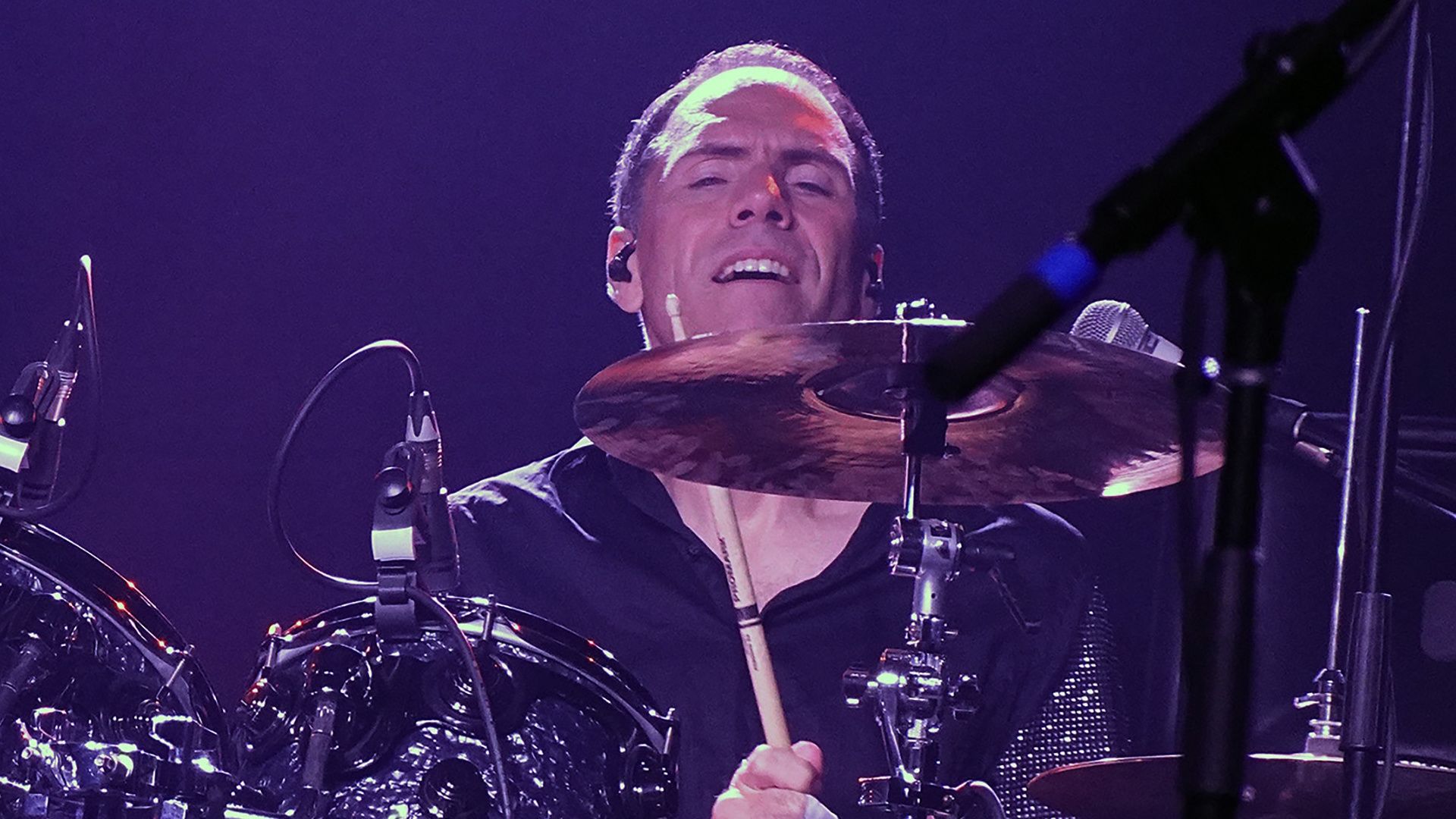
In the latest issue of Edge, legendary composer Frank Klepacki takes a moment to reflect on the current state of RTS. The article, highlighted by PC Gamer, captures Klepacki’s perspective on where the genre stands and what it needs to thrive.
Frank Klepacki’s Take on the Future of RTS
Klepacki, known for his work on iconic RTS titles, emphasizes that the genre is far from dead. He points out that RTS games still attract a dedicated community and that the core gameplay loop—building, managing, and commanding—remains compelling. However, he also expresses a desire for developers to inject fresh ideas into the formula. According to the Edge feature, Klepacki believes that a creative spark is essential to keep RTS engaging for both veterans and newcomers.
His comments suggest that while the foundation of RTS is solid, the genre’s evolution has stalled in certain respects. Klepacki’s call for more creativity signals a hope that future projects will push beyond conventional strategies and mechanics.
Why More Creativity Is Needed
Innovation can breathe new life into any genre, and RTS is no exception. By exploring novel gameplay twists—such as integrating narrative elements, expanding unit diversity, or reimagining resource systems—developers can offer players experiences that feel both familiar and fresh. Klepacki’s stance implies that a lack of such experimentation may be contributing to a perceived stagnation.
Moreover, the competitive landscape of gaming is increasingly crowded. Players have a vast array of options, from MOBAs to battle‑royale titles. For RTS to maintain relevance, it must differentiate itself through unique design choices that resonate with modern audiences.
The Role of Developers and Publishers
Developers are at the forefront of introducing new concepts. They can experiment with hybrid genres, incorporate emerging technologies, or refine classic mechanics to appeal to contemporary tastes. Publishers, on the other hand, play a crucial role in supporting these creative ventures. By investing in riskier projects and providing marketing support, they can help bring innovative RTS titles to market.
The Edge interview hints that collaboration between creative teams and the broader gaming community can also foster fresh ideas. Listening to player feedback and engaging with fan communities can surface insights that inform future design decisions.
Looking Ahead: What Could Revitalize RTS
While the article does not lay out a definitive roadmap, Klepacki’s remarks open the door for speculation about what might reinvigorate the genre. Potential avenues include deeper narrative integration, more dynamic environments, and multiplayer systems that reward strategic depth without sacrificing accessibility.
Additionally, the rise of indie developers and digital distribution platforms offers an opportunity for smaller studios to experiment without the constraints of large publisher expectations. These studios often bring fresh perspectives that can challenge the status quo.
Ultimately, the conversation sparked by Klepacki underscores a central truth: the RTS genre thrives on innovation. As long as developers remain willing to explore new ideas and publishers support bold projects, RTS can continue to evolve, attracting both long‑time fans and a new generation of strategy enthusiasts.

No comments:
Post a Comment