
When Design Meets Atmosphere
In the world of indie game design, the mechanics often come first. Developers may create a polished set of rules and then try to fit a story around them. The article from Rock Paper Shotgun argues that this approach can leave a game feeling disjointed. A well‑crafted mechanic that lacks a cohesive narrative or visual style can feel jarring, as if a wrestler’s snake‑like entrance were thrown into a card‑game review.
Forbidden Solitaire: A Case Study
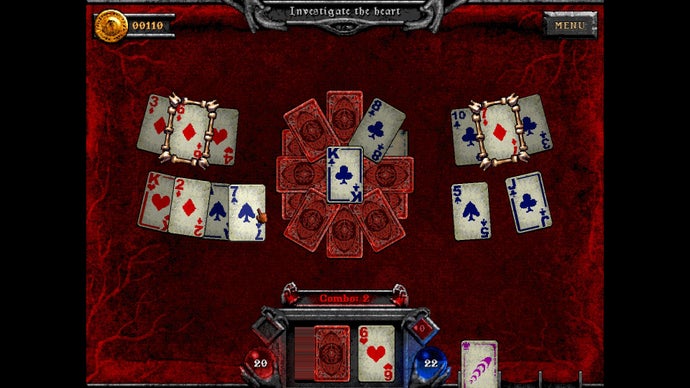
Enter Forbidden Solitaire, a horror‑themed card game that demonstrates how a carefully chosen setting can lift even decade‑old gameplay. Players navigate a dungeon, clearing successive screens of cards to advance deeper into the abyss. Each level feels like a new room in a haunted labyrinth, and the card layout itself becomes a visual cue for the creeping dread that builds as the game progresses.
Decade‑Old Mechanics, New Life
At its core, Forbidden Solitaire borrows from classic solitaire principles—matching, clearing, and progressing through a deck. These rules are familiar to many players, but the game repurposes them in a way that feels fresh. By framing each move as a step deeper into a horror narrative, the developer turns routine card flips into moments of tension.
The Power of Theming
The article stresses that theme is more than just a backdrop; it’s a lens through which every mechanic is interpreted. In Forbidden Solitaire, the theme informs the visual design, the soundscape, and the pacing. The card backs, the layout of the board, and the atmospheric audio all reinforce the sense that the player is venturing into a dark, unknown space. This coherence turns a simple card game into a cohesive experience that feels more than the sum of its parts.
Avoiding Dissonance
When a game’s mechanics and theme do not align, players often notice the mismatch. The article uses the example of an opening simile about wrestling snakes that feels out of place in a discussion about solitaire. That kind of dissonance can make even well‑designed systems feel awkward. In contrast, Forbidden Solitaire’s every element—from the card layout to the eerie soundtrack—works together, eliminating that jarring feeling and creating a smooth, immersive journey.
Implications for Indie Developers
For indie studios, the lesson is clear: invest time in developing a strong, coherent theme that supports your mechanics. A compelling setting can give a familiar gameplay loop a new emotional resonance and keep players engaged. Even games that rely on older systems can find fresh life if the narrative, art, and sound are tightly integrated.
Conclusion
Forbidden Solitaire proves that a robust theme can elevate a classic card game into a memorable horror adventure. By ensuring that every element—mechanics, visuals, audio, and narrative—speaks the same language, developers can avoid dissonance and deliver a more satisfying experience. The article reminds us that while solid design is essential, it is the harmony between design and theme that ultimately defines a game’s lasting impact.

No comments:
Post a Comment