
Liquid Swords’ sudden collapse sends shockwaves through the indie scene
The small London‑based studio that had been working on the open‑city crime simulation Samson has officially filed for bankruptcy. According to reports, staff members have not received wages for the past two months, prompting the studio’s administrators to seek a buyer for its assets and remaining intellectual property.
What led to the bankruptcy filing?
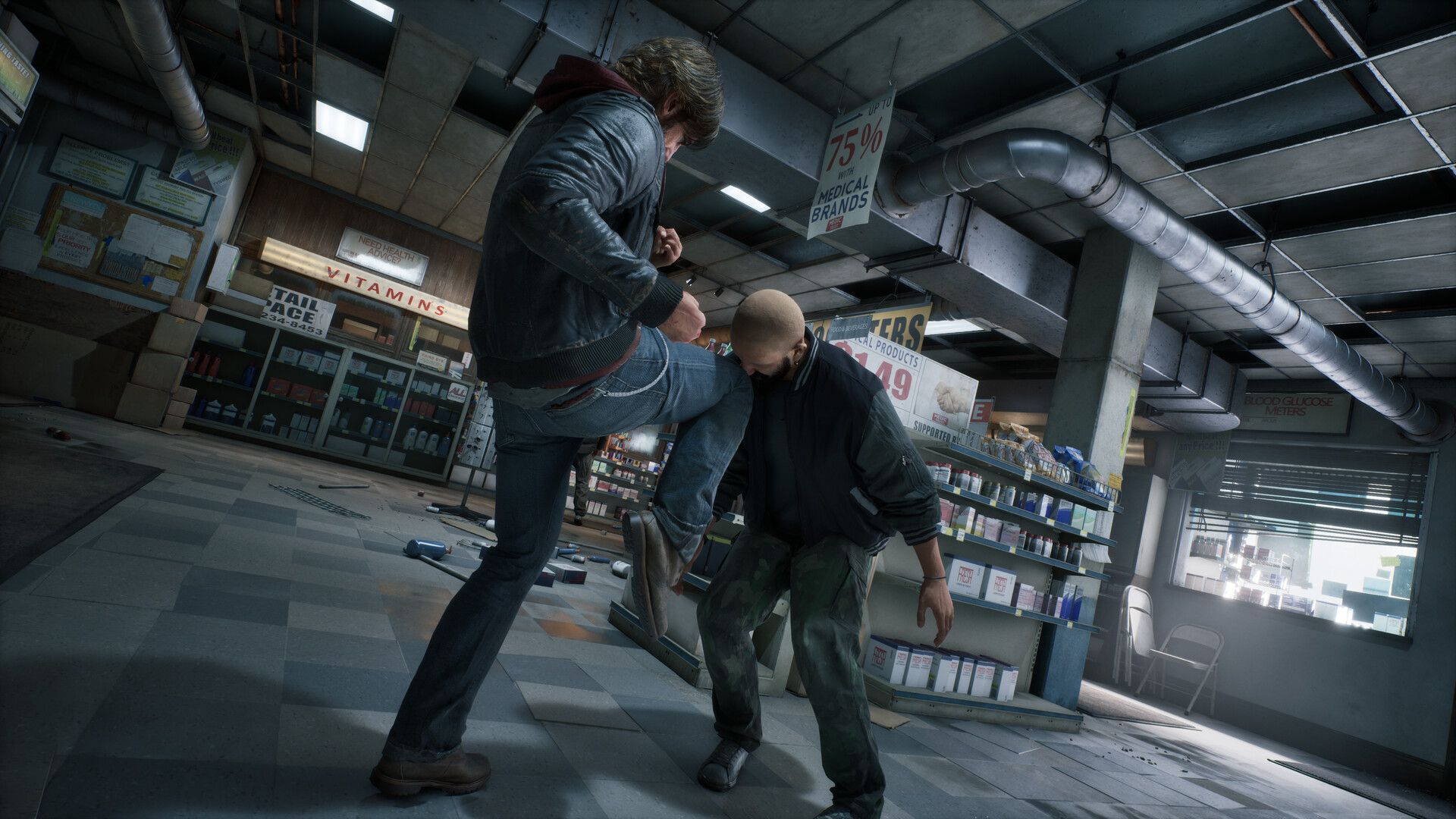
Liquid Swords had been developing Samson for several years, positioning the game as a next‑generation crime sim that would let players roam a sprawling, dynamic city. The project had generated interest among fans of the genre, but the studio’s finances had deteriorated to the point where it could no longer meet payroll obligations. The unpaid wages, which have accumulated over a two‑month period, were a key factor in the decision to file for insolvency.
Impact on the unfinished title
With the studio’s legal status now in limbo, the future of Samson is uncertain. The game’s code, assets, and any related IP are now part of the assets Liquid Swords is offering to potential buyers. If a new owner were to acquire the studio, the game could potentially be revived, but that outcome depends on a number of factors, including the willingness of a buyer to invest in a project that has yet to reach release.
Administrator seeks a buyer for studio and assets
The administrators responsible for Liquid Swords’ liquidation have made it clear that they are actively looking for a purchaser. The sale would include the studio’s intellectual property, development tools, and any unfinished work on Samson. Potential buyers could range from larger publishers looking to absorb the IP to other indie developers seeking to continue the project.
Industry context: small studios on a precarious footing
Liquid Swords’ situation is not isolated. The gaming industry has seen a number of small studios struggle with cash flow, especially when projects take longer to develop than initially projected. Even with a dedicated fan base, indie developers can face significant financial challenges if funding rounds do not materialise or if revenue projections fall short. The Liquid Swords case underscores the importance of robust financial planning and the risks inherent in long‑term, open‑world projects.
Employees face unpaid wages and job loss
Staff members who have not been paid for two months are now confronting a difficult reality. The bankruptcy filing means that the studio’s assets, including any remaining funds, are being liquidated to satisfy creditors. Employees may be entitled to recover unpaid wages through the insolvency proceedings, but the process can be protracted and uncertain. Those who were working on Samson will likely need to seek new opportunities in an already competitive job market.
Community reaction and fan sentiment
The announcement has sparked a wave of concern among fans who followed the development of Samson. While the game has not yet been released, its unique premise—a crime simulation set in a living, breathing city—had attracted a dedicated following. Social media threads and forums are filled with expressions of disappointment, as well as speculation about whether the IP could be rescued by another studio.
Looking ahead: possible outcomes for the IP
There are a few potential scenarios for the future of Samson. A larger publisher could acquire the IP and bring the project to completion, leveraging additional resources to finish the game. Alternatively, an indie studio might purchase the assets to continue development on a smaller budget. If no buyer emerges, the IP could ultimately be abandoned, leaving the project unfinished. Until a sale is finalized, the status of the game remains uncertain.
Conclusion: a cautionary tale for indie developers
Liquid Swords’ bankruptcy highlights the financial vulnerabilities that many small studios face. While the studio’s administrators are actively seeking a buyer, the outcome for both the team and the unfinished title remains to be seen. For the gaming community, the situation serves as a reminder of the complex interplay between creative ambition and financial sustainability in the indie development landscape.

No comments:
Post a Comment