
Reimagining Cosiness in Gaming
In recent discussions about what constitutes a “cosy” game, many have pointed to the presence of gentle gameplay loops, soothing visuals, or comforting narrative moments. Yet, the lead writer of Nivalis Nights, Thomas Welsh, argues that cosiness can exist even when a game lacks the traditional comfort‑seeking elements. “But that doesn’t mean it’s a cosy game,” Welsh notes, hinting at a more nuanced definition of what makes a title feel warm and inviting.
What Makes Nivalis Nights Different?
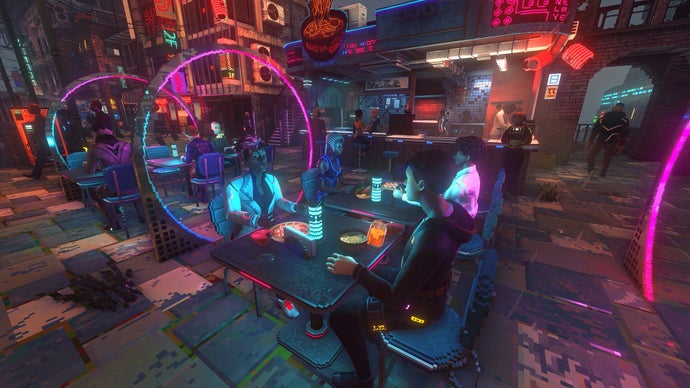
Unlike many titles that rely on combat or action to keep players engaged, Nivalis Nights deliberately eschews battle entirely. The absence of combat is a design choice that sets the game apart, but it does not automatically render the experience devoid of comfort. Welsh acknowledges that the game contains cosy moments, though they are not as overt or pervasive as in some other indie titles. Instead, the cosy elements are woven into the fabric of the game’s world and mechanics, requiring players to invest effort to uncover them.
The Role of Effort in Finding Comfort
Welsh emphasizes that players must actively seek out the cosy aspects of the game. The design encourages exploration, experimentation, and a willingness to engage with the world beyond the surface. This approach aligns with the idea that true comfort often comes from a sense of accomplishment, not just passive enjoyment. By putting in the work to discover hidden corners, subtle story beats, or interactive environments, players can experience a deeper, more personal sense of warmth.
Why Friction Matters
While Nivalis Nights offers cosy moments, Welsh also expresses a preference for friction in gameplay. He believes that a certain amount of challenge or tension adds depth, keeping players invested and preventing the experience from becoming too static. In this light, the game’s lack of combat is balanced by other forms of engagement—perhaps puzzles, environmental storytelling, or character interactions—that provide the necessary edge without resorting to violence.
Balancing Comfort and Challenge
According to Welsh, the key to the game’s appeal lies in its balanced blend of calm and complexity. Players who enjoy a relaxed pace can still find solace in the game’s serene environments, while those who crave a touch of tension can appreciate the subtle friction built into the gameplay loop. This duality ensures that Nivalis Nights does not fit neatly into one genre, but instead offers a hybrid experience that can appeal to a broad audience.
Implications for the Indie Landscape
Welsh’s perspective highlights a broader trend in indie development, where designers increasingly experiment with unconventional gameplay structures. By removing combat and focusing on other forms of engagement, developers can create titles that challenge players’ expectations of what a cosy game should look like. This approach encourages a more diverse range of experiences, allowing players to find comfort in varied ways—whether through exploration, narrative depth, or subtle interactive elements.
Conclusion
In the end, Nivalis Nights proves that a game can be both cosy and friction‑laden, even without combat. Thomas Welsh’s candid remarks remind us that comfort in gaming is not a one‑size‑fits‑all formula; it can be earned through effort and discovery. For players looking for a unique blend of serenity and subtle challenge, Nivalis Nights offers a fresh take on what it means to find peace in the gaming world.

No comments:
Post a Comment