
A New Method for Handling Shader Compilation
For many PC gamers, launching a modern title often comes with a frustrating hurdle: waiting at your rig for shaders to finish compiling. Nvidia's latest driver update aims to eliminate this waiting period by introducing an advanced shader delivery system. Rather than relying entirely on a player's local hardware to process graphics shaders, the new driver utilizes cloud infrastructure to do the heavy lifting instead.
Shader compilation has increasingly become a major topic in PC gaming performance, frequently causing initial delays before a session can begin. By shifting this demanding preparation process off local machines, Nvidia's advanced shader delivery method allows players to skip the prolonged waiting screens, relying on remote processing power to handle the necessary graphical setup beforehand.
Lower RAM Usage Reported in Major Titles
The benefits of offloading shader tasks to the cloud appear to extend beyond simply eliminating pre-game wait times. According to early user reports highlighted by PC Gamer, Nvidia's latest driver update is also leading to reduced system memory consumption during gameplay.
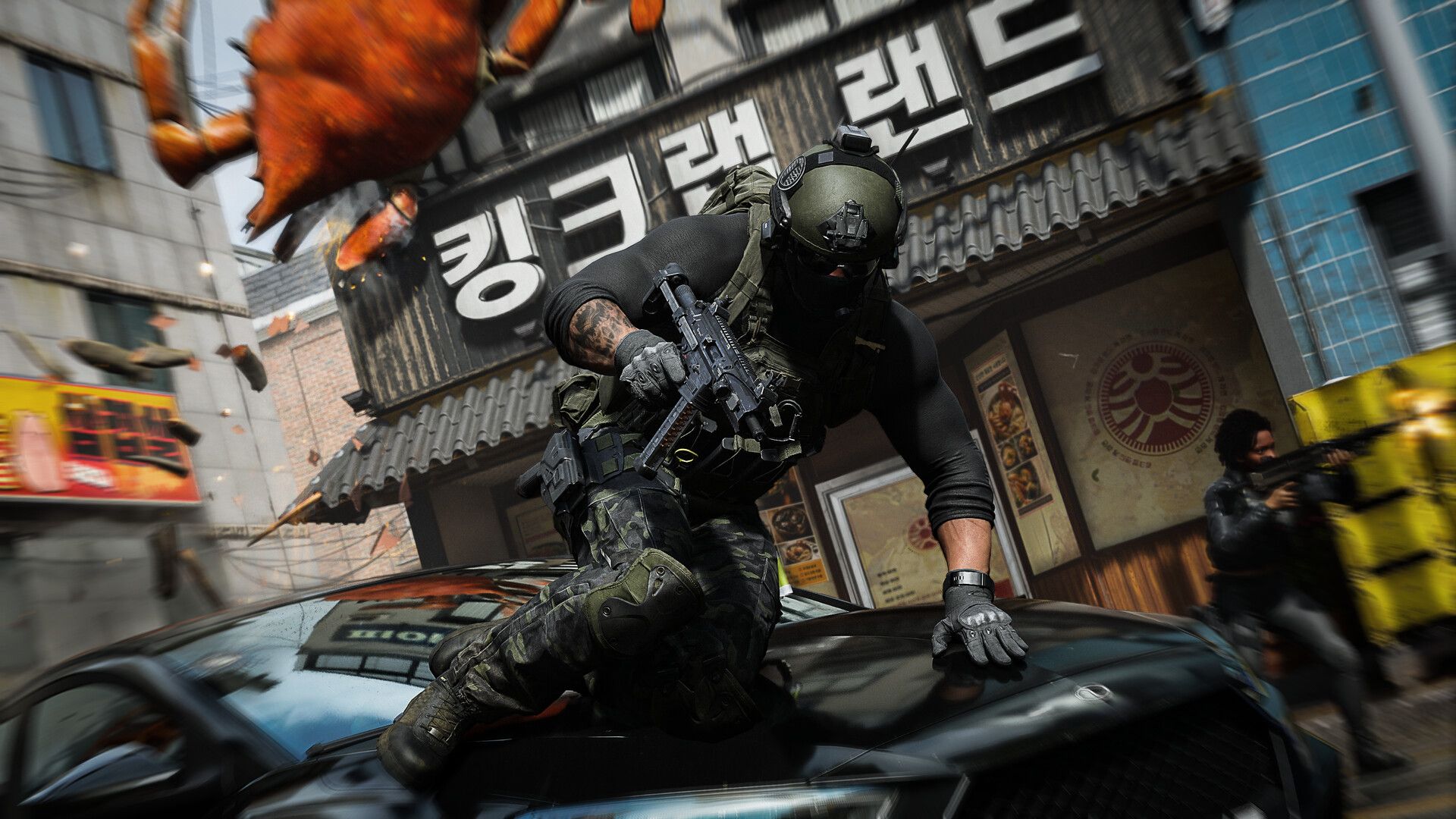
Gamers testing the updated driver have observed lower overall RAM usage while running high-profile titles, including Call of Duty: Modern Warfare 4 and Gears of War: E-Day. Because local system resources are no longer tasked with generating and managing intensive shader compilation routines on the local machine, memory that would otherwise be consumed during this process remains free. This reported drop in local RAM consumption provides a practical efficiency boost for systems running demanding modern games.
Leveraging Cloud Processing for Local Performance Gains
The core innovation behind this new driver feature lies in how it redistributes system workloads. Shader compilation traditionally places a heavy burden on local system memory and processors, requiring hardware to execute complex preparation tasks before graphics assets can render efficiently. By enabling cloud servers to manage these computational demands, Nvidia is utilizing external infrastructure to optimize local client performance.
This offloaded approach directly targets two of the most persistent issues associated with modern PC graphics pipelines: long initial load times and heavy local resource allocation. Players no longer need to wait around at their rigs for local compilation to wrap up, as the remote server infrastructure handles the workload on behalf of the user's local hardware.
Looking Ahead for PC Gamers
While standard driver updates often focus on incremental bug fixes or individual game profiles, the addition of cloud-assisted advanced shader delivery represents a meaningful shift in how PC titles handle graphics preparation. The initial feedback regarding reduced memory strain in titles like Call of Duty: Modern Warfare 4 and Gears of War: E-Day demonstrates the clear advantages of offloading heavy local tasks.
As more players install the latest Nvidia driver and test its capabilities across various gaming libraries, further user feedback will help clarify the broader impact of this technology. However, early reports suggest a welcome step forward in reducing system memory overhead and streamlining the overall PC gaming experience.

No comments:
Post a Comment