
A New Milestone for Gaming Displays
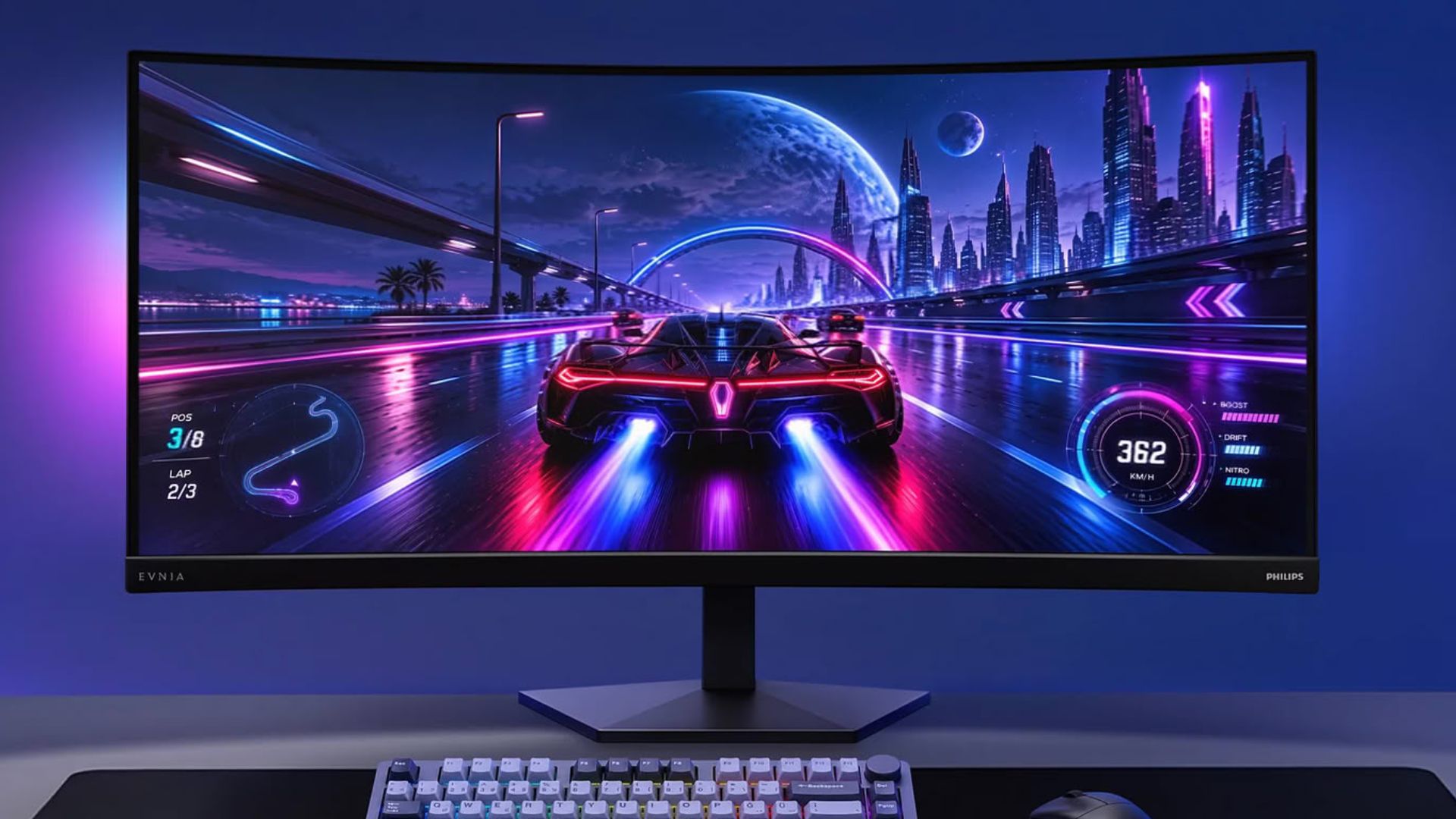
In a move that has sparked excitement across the PC gaming community, Philips has unveiled what it calls the world's first 36‑inch monitor capable of a 260‑Hz refresh rate. The announcement, covered by PC Gamer, marks a rare instance of genuinely positive news in a market that has seen its share of overhyped releases and incremental updates. While the details surrounding the device are still sparse, the basic specifications alone are enough to generate buzz among competitive gamers and enthusiasts alike.
Why 260Hz Matters
Refresh rate is a key metric for gamers who rely on smooth, responsive visuals. Most high‑end gaming monitors today offer refresh rates in the 144‑ to 240‑Hz range, with 240 Hz being the upper end of what many manufacturers currently support. A 260‑Hz refresh rate pushes the envelope further, potentially reducing motion blur and input lag for players who demand the utmost in visual fluidity. Even without a detailed specification sheet, the fact that Philips has engineered a display to reach this frequency suggests significant advances in panel technology, signal processing, and thermal management.
The 36‑inch Advantage
Size is another factor that can transform the gaming experience. A 36‑inch screen offers a far larger field of view than the typical 27‑inch or 32‑inch monitors that dominate the market. For titles that benefit from a wide perspective—such as first‑person shooters, flight simulators, and large‑scale strategy games—the increased screen real estate can provide a more immersive experience. Coupled with a high refresh rate, the new Philips monitor promises to deliver both clarity and speed, a combination that is especially appealing to competitive players who need to read and react to rapid on‑screen action.
What This Means for Gamers
While the announcement has not yet included pricing, launch windows, or detailed performance benchmarks, the implications for the gaming community are clear. Competitive gamers will be eager to see how the monitor performs in real‑world scenarios, particularly in esports titles that emphasize reaction time and visual fidelity. Meanwhile, casual players and content creators may find the larger screen and high refresh rate attractive for a more engaging single‑player experience and smoother video playback.
Because the monitor is the first of its kind to combine a 36‑inch panel with a 260‑Hz refresh rate, it may also influence the broader industry. Other manufacturers could take note of Philips’ engineering approach and potentially accelerate their own development cycles. If the product proves successful, it could set a new benchmark for what players expect from high‑performance displays, pushing the market toward even larger screens and higher refresh rates.
Looking Ahead
As the gaming hardware ecosystem continues to evolve, announcements like Philips’ serve as important reference points. They remind consumers and developers alike that significant innovation is still possible, even in a space that has seen many incremental improvements over the past decade. While the full details of the 36‑inch, 260‑Hz monitor remain to be revealed, the fact that it exists already expands the conversation about what is achievable in terms of visual performance and screen size.
For now, gamers and tech enthusiasts can look forward to more information as Philips moves forward with the product’s development and eventual launch. The industry will be watching closely to see whether this monitor sets a new standard or remains a niche offering for the most demanding players.

No comments:
Post a Comment