
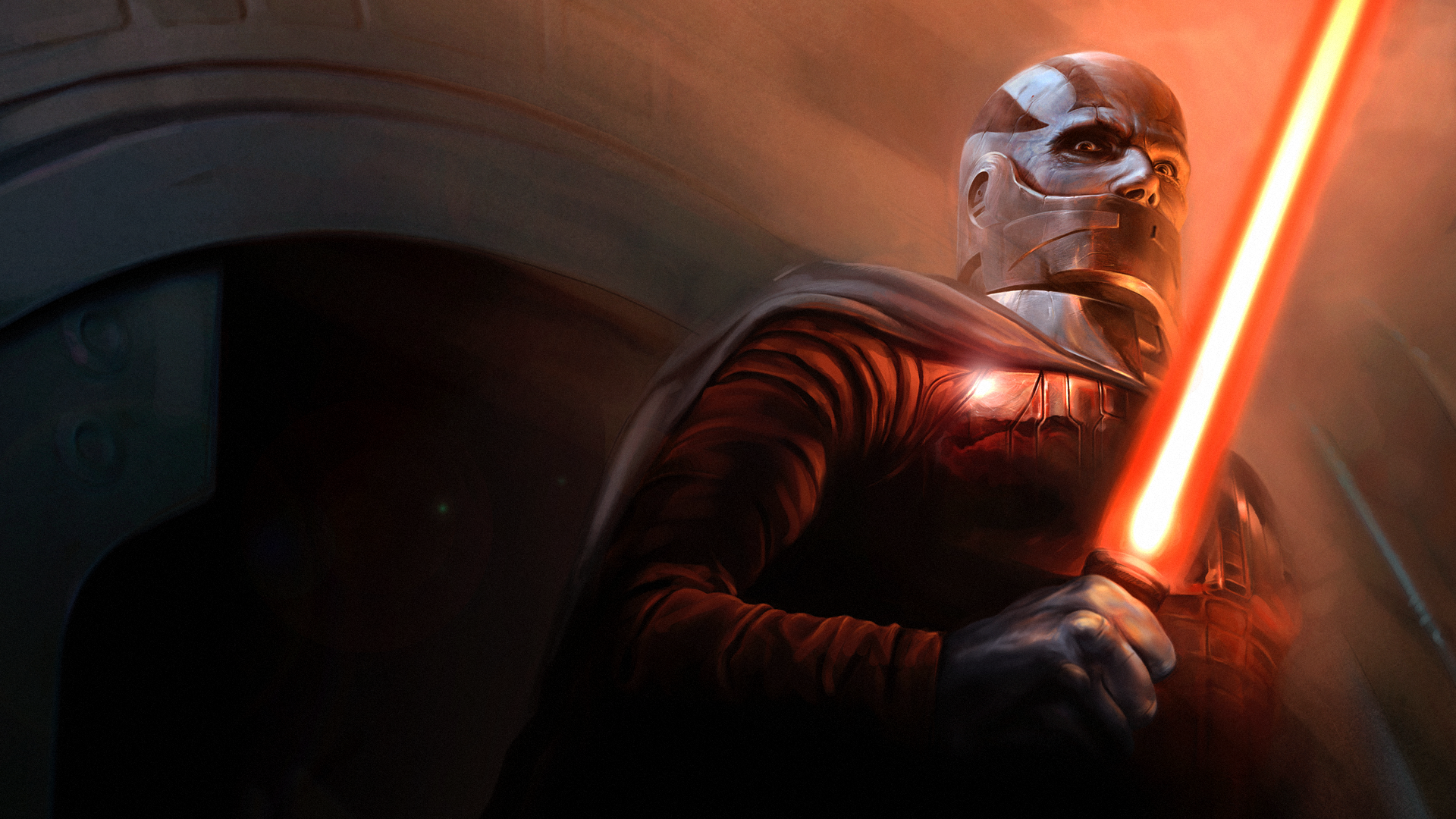
The Acquisition of BioWare
In a move that has sent ripples through the gaming community, BioWare has recently fallen under the control of a private‑equity firm. According to PC Gamer, this development is “just the latest casualty in a long history of private‑equity carnage.” While the specifics of the deal—such as the purchase price or the identity of the investor—are not disclosed, the fact that a storied studio known for narrative‑driven titles is now owned by a firm whose primary focus is financial performance has sparked widespread concern.
Why Private‑Equity Deals Raise Alarm
Private‑equity acquisitions are often viewed with suspicion in the creative industries. The core business model of these firms revolves around buying companies, streamlining operations, and selling them later at a profit. In the context of game development, this can translate into pressure to cut costs, accelerate release schedules, and prioritize projects with the highest projected return on investment.
Because game development is an inherently risky and long‑term endeavor, the alignment of a private‑equity owner’s short‑term financial goals with the longer‑term creative ambitions of a studio can create tension. This tension is a key reason why many developers, publishers, and fans alike view such acquisitions with caution.
Historical Context
BioWare’s situation is not an isolated incident. The gaming industry has witnessed a number of high‑profile studios change hands in recent years, often as a result of financial pressures or strategic realignments. While the exact number of such cases is not specified in the source, the phrase “long history of private‑equity carnage” implies that this pattern has repeated itself across the industry. The recurring nature of these transactions suggests that the risks associated with private‑equity ownership are not new, but rather a persistent feature of the business side of gaming.
Potential Implications for Game Development
When a studio is acquired by a private‑equity firm, several practical changes can occur. First, the new owner may re‑evaluate the studio’s portfolio, potentially shifting focus toward projects with clear commercial prospects. Second, there may be a drive to reduce overhead by consolidating teams, outsourcing work, or streamlining production pipelines. Third, the decision‑making process can become more top‑down, with financial metrics taking precedence over creative vision.
For a studio like BioWare, whose reputation rests on deep storytelling and complex world‑building, these changes could influence everything from hiring practices to the types of games that receive funding. The risk is that the studio’s hallmark strengths might be diluted if the new ownership prioritizes short‑term profitability over long‑term creative investment.
Community Reaction
The reaction from the gaming community has been swift and vocal. Fans of BioWare’s classic titles—such as the Mass Effect and Dragon Age series—have expressed concerns that the studio’s future projects may be altered or even canceled. While the source does not provide direct quotes, the general sentiment is clear: many are uneasy about the potential loss of creative control and the possibility that beloved franchises could be sidelined.
Industry observers have also weighed in, noting that the trend of private‑equity involvement in game development can lead to a homogenization of content. When studios are pressured to deliver high‑return titles, there is a risk that innovative or niche projects may struggle to secure funding.
Looking Ahead
As BioWare navigates this new ownership structure, the industry will be watching closely. The outcome of this acquisition could set a precedent for how other studios respond to similar offers. Will BioWare manage to preserve its creative identity while meeting the

No comments:
Post a Comment