
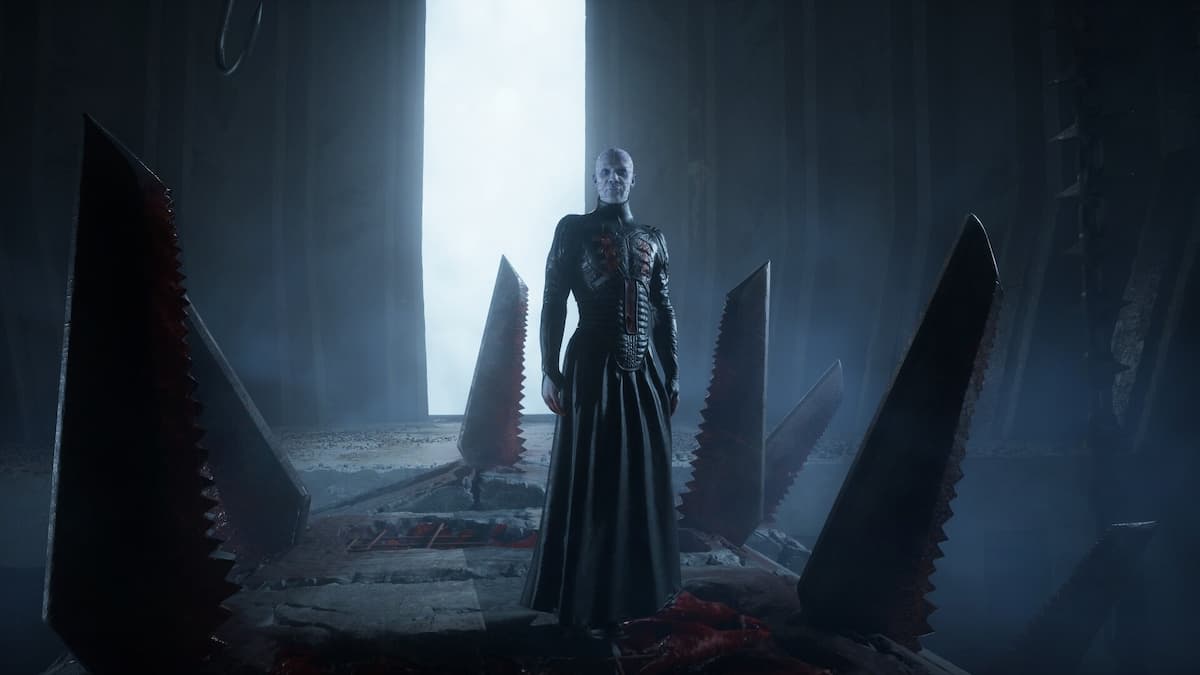
Hellraiser’s Controversial Journey to Market
The upcoming horror title “Hellraiser” has already been a lightning rod for debate. Developed by Saber Interactive, the game is set to bring the iconic franchise’s macabre mythology to modern consoles and PC. From the outset, the project has faced scrutiny over its graphic content and mature themes, sparking discussions about where the line should be drawn between artistic expression and community standards.
Saber Interactive’s Unwavering Stance
According to reports from Prima Games, the development team at Saber Interactive has consistently defended their creative vision. The studio has repeatedly emphasized that the game’s narrative, visual style, and level of detail are integral to delivering an authentic Hellraiser experience. Rather than diluting the franchise’s signature horror elements, the developers have chosen to preserve the intensity that fans expect.
While the studio has not publicly released detailed statements on every controversy, it is clear that the team has opted to stay true to the source material. This approach has earned them both praise from purists who appreciate the faithful adaptation and criticism from those who argue that certain content may cross acceptable boundaries.
Attempts to Push Back Against Censorship
Prima Games highlighted that Saber Interactive’s team has actively engaged with various regulatory bodies and platform holders. In several instances, the studio has presented evidence of their content’s alignment with existing guidelines, arguing that the game’s rating falls within the permissible scope for mature audiences. When faced with potential bans or restrictions, the developers reportedly pursued appeals and legal channels to maintain the game’s original form.
While the exact nature of these appeals remains undisclosed, the fact that the studio has pursued multiple avenues indicates a strong commitment to the project’s integrity. By refusing to compromise on key gameplay or narrative elements, Saber Interactive has demonstrated that they view censorship as a threat to the franchise’s legacy.
Industry Reactions and Community Response
The gaming community’s reaction has been mixed. Some players applaud the developers’ courage to confront censorship head-on, seeing it as a necessary stance to protect creative freedom. Others worry that the game’s explicit content could alienate broader audiences or trigger backlash from platform regulators.
Platform holders, such as Sony, Microsoft, and Steam, have each issued their own guidelines regarding mature content. While Saber Interactive has not yet reported any definitive bans, the studio’s proactive outreach suggests they are prepared for potential hurdles. The situation underscores the broader tension in the industry between artistic ambition and the increasingly stringent content policies of major distributors.
Implications for Players and the Future of Horror Gaming
For players, the saga highlights the importance of understanding how content ratings and platform policies can affect game availability. Those who are eager to experience the full Hellraiser narrative may need to keep an eye on regional releases and platform compliance updates. Conversely, players who are sensitive to graphic content might find the game’s commitment to authenticity a double-edged sword.
From a broader perspective, Saber Interactive’s experience reflects a growing trend among developers who are willing to confront censorship rather than capitulate. This stance could influence how future horror titles navigate the balance between maintaining thematic integrity and meeting regulatory expectations. It also raises questions about the evolving role of platform holders in shaping the creative direction of games that push the envelope.
Looking Ahead
As “Hellraiser” approaches its release window, the industry will be watching closely to see whether Saber Interactive’s efforts to keep the game unaltered will pay off. Whether the studio ultimately succeeds in preventing a ban or must make concessions remains to be seen. Regardless of the outcome, the conversation sparked by this controversy is likely to persist, shaping how developers approach mature content in the years to come.

No comments:
Post a Comment