
Revisiting Public Communication in Multiplayer Games
In massive multiplayer online (MMO) games, communication is an essential cornerstone of the player experience. Among the various avenues players use to interact, few features are as ubiquitous or instantly recognizable as zone chat. Recently, PC Gamer opened up a broader community discussion posing a fundamental question to players: Are zone chats in MMOs ultimately a force for good, or a force for evil?
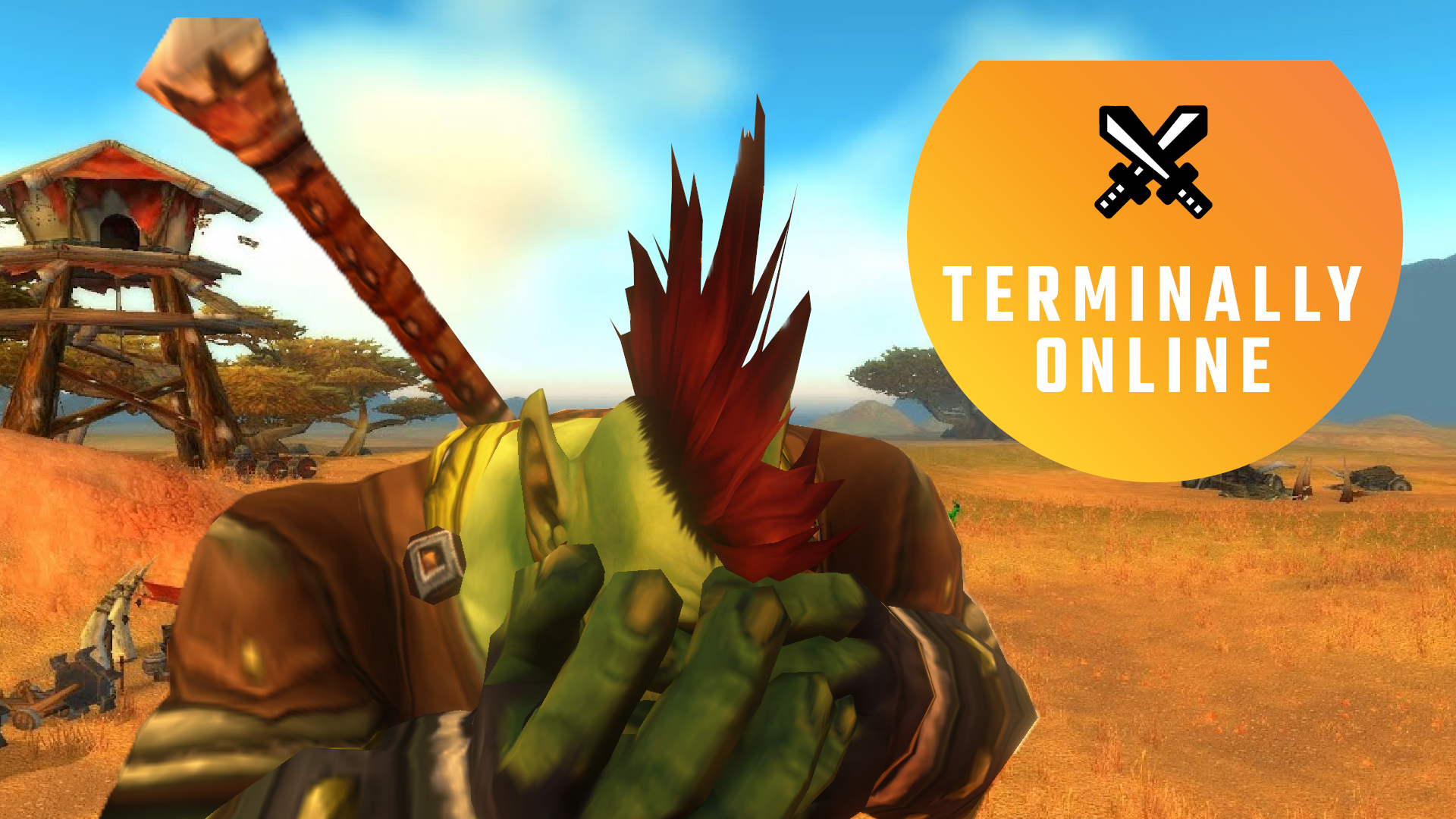
To frame the topic, the discussion referenced one of the most famous examples in gaming history: World of Warcraft’s legendary "Barrens Chat." The mention serves as a fitting reminder of how deeply public chat channels are tied to the identity, culture, and memory of online worlds. Depending on who you ask, these local broadcast channels are either the lifeblood of virtual communities or a persistent source of digital noise.
The Argument for Good: Community, Assistance, and Emergent Socializing
Proponents of zone chat argue that public channels fulfill a vital role that private group channels or guild chats simply cannot replicate. In any large online RPG, zone chat acts as a local town square. It provides a real-time feed of what is happening in a given area, allowing players to coordinate, form groups for regional objectives, or ask for guidance when stuck on a challenging objective.
For new or solo players, public chat channels offer an immediate connection to the broader player base. Being able to ask a quick question in a zone and receive a helpful answer from a stranger creates a welcoming environment. It reinforces the sense that an MMO is a living, shared world populated by real people rather than just scripted characters.
Beyond practical utility, zone chat is often where some of the most memorable social moments occur. Spontaneous conversations, playful rivalries, and lighthearted banter can transform a routine session into an entertaining social event. For many players, these unscripted public interactions are precisely what makes the genre special.
The Argument for Evil: Trolling, Spam, and Verbal Chaos
On the flip side, critics argue that zone chats often degrade into chaotic and unhelpful spaces that do more harm than good. Because public channels broadcast messages to every player in a specific region, they frequently become prime targets for spam, self-promotion, and deliberate disruption.
The notorious reputation of areas like World of Warcraft’s Barrens Chat stems directly from this tendency toward unrestrained chatter. When public channels are overwhelmed by repeated jokes, off-topic arguments, or toxic trolling, they can ruin the atmosphere of a game. Instead of fostering helpful cooperation, the chat window can become a distraction that forces players to leave the channel entirely or disable public communications.
Furthermore, managing public zone channels presents a constant challenge for game operators. When moderation is light, negativity can quickly spread, alienating players who simply want to enjoy the game world without dealing with inflammatory behavior.
Balancing Open Dialogue and Player Comfort
The debate highlighted by PC Gamer touches on an ongoing challenge in game design. Developers must figure out how to maintain the open, unpredictable social spark that makes online worlds feel alive while protecting players from unwanted behavior and clutter. Many modern titles have implemented stricter filters, opt-in channels, or rely heavily on external voice platforms, but the fundamental lure—and risk—of public zone chat remains.
Whether viewed as a cherished social hub or a chaotic distraction, zone chat continues to be a defining feature of the MMO experience. As long as players share virtual spaces, the question of whether public chat channels do more good than harm will remain a lively topic among online gaming communities.

No comments:
Post a Comment