
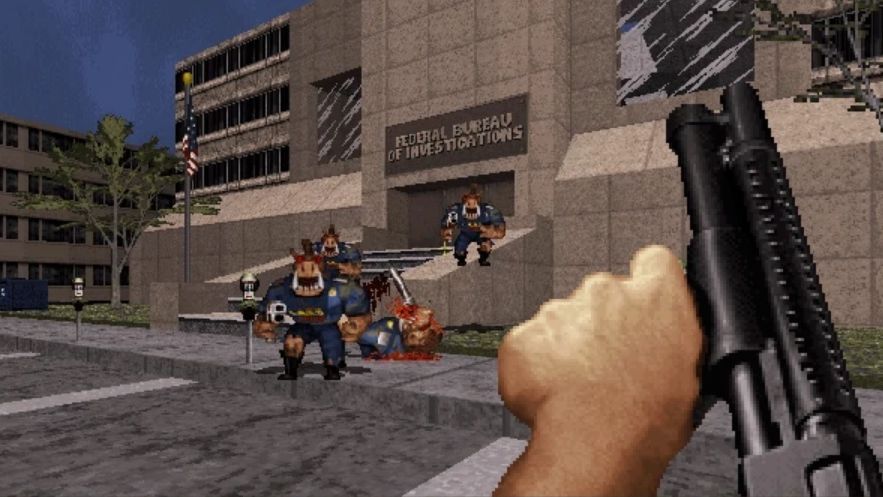
The Early Days of First‑Person Shooters
When first‑person shooters (FPS) burst onto the PC scene, they opened a new frontier for players and creators alike. The immersive, 3‑dimensional gameplay encouraged a wave of community‑made level packs—custom maps and missions that could be shared and downloaded freely. This surge of user‑generated content marked a distinct era in PC gaming, one that many consider the “forgotten fourth state” of the platform’s evolution.
Unregulated Creativity
Unlike later console ecosystems, early PC shooters had little to no legal framework governing the distribution of user‑created level packs. Developers and publishers did not impose strict licensing or distribution guidelines, allowing enthusiasts to remix, tweak, and share their creations without formal oversight. The result was an explosive, grassroots ecosystem where players could experiment with game design in ways that the original developers had not anticipated.
A Lawsuit That Changed Copyright Forever
However, this creative freedom eventually collided with the realities of intellectual property law. The lack of regulation around level packs led to a lawsuit that reached the courts and produced a landmark decision. While the specifics of the case are not detailed here, the outcome was clear: it fundamentally altered how copyright applies to user‑generated content in video games. The ruling set a precedent that still influences how developers and publishers handle community mods, level packs, and other derivative works today.
The Forgotten Legacy of the Fourth State
Today, the early FPS era is often overlooked in discussions of PC gaming history. Yet it represents a critical juncture where player creativity met legal boundaries for the first time in the medium. The “fourth state” of PC gaming—characterized by unregulated level packs and the ensuing legal battle—remains a pivotal chapter in how we understand ownership, distribution, and community engagement in games.
Implications for Modern Game Development
Modern publishers now routinely include mod‑support policies, licensing agreements, and community guidelines to manage user‑generated content. These measures stem directly from the lessons learned in that early, unregulated period. By acknowledging the historical context of the lawsuit, developers can better navigate the fine line between fostering creative communities and protecting intellectual property.
Looking Forward
As the gaming industry continues to embrace user‑generated content—whether through official mod tools or community‑run servers—the legacy of the early FPS level‑pack era remains relevant. The legal framework established by that pivotal lawsuit continues to shape how games are shared, modified, and monetized. Understanding this history is essential for anyone involved in game development, publishing, or even passionate modding communities.
In revisiting this forgotten chapter, we gain a clearer picture of how the early PC gaming landscape evolved and how a single lawsuit helped cement the rules that govern creative expression in games to this day.

No comments:
Post a Comment