
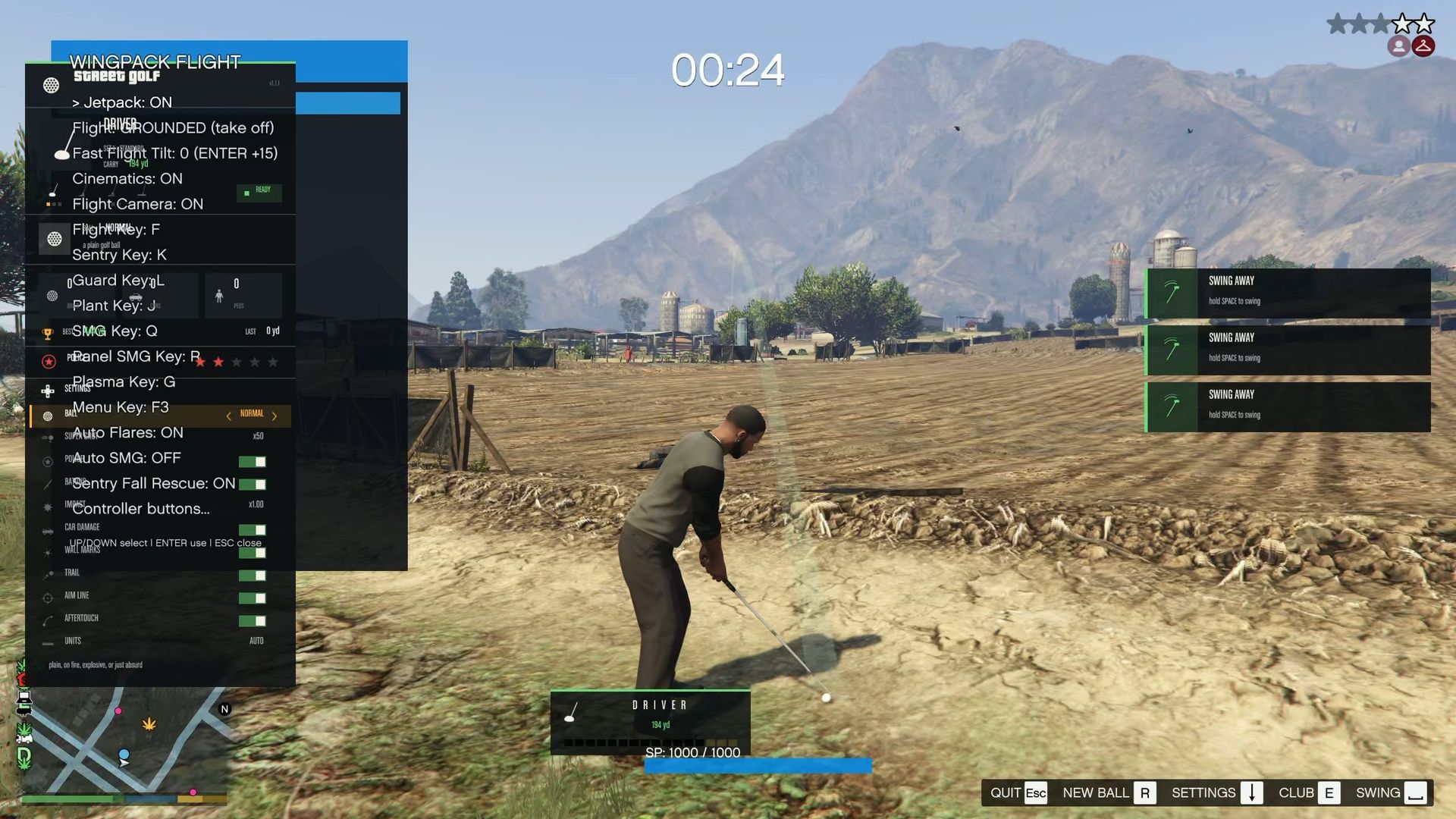
The Ultimate Sandbox Distraction
In open-ended virtual worlds and simulation games, players frequently set ambitious goals for themselves. Whether aiming to build a sprawling financial empire, dominate a criminal underworld, or establish a lucrative agricultural enterprise, sandbox environments give players the freedom to carve out their own distinct digital livelihoods. However, as gaming outlet PC Gamer recently highlighted in a piece detailing a virtual weed farmer’s complete abandonment of their trade, even the most focused business ventures can easily be undone by the simple pull of a side activity—specifically, an unslakeable passion for golf.
The premise is one that many gamers know all too well. A player begins their journey with a clear economic plan: cultivate crops, manage operations, and maximize profits as a weed farmer. Yet, despite the potential earnings and careful planning required to run a virtual agricultural business, the immediate, low-stakes satisfaction of hitting the fairways proves far too tempting to resist. What starts as a brief break from the daily grind quickly transforms into a full-blown obsession, leaving the farming career neglected in favor of pursuit on the green.
From the Fields to the Fairway
The transition from managing an intensive operation like a weed farm to spending hours playing golf highlights a recurring theme in modern gaming design. Developers often construct deep, complex mechanics meant to simulate real-world jobs, trades, and management systems. Players can invest significant effort into setting up production schedules, acquiring equipment, and overseeing their harvest. But side activities—particularly sports minigames like golf—offer a completely different appeal.
Golf minigames in sandbox environments typically offer a clean, self-contained loop. There are no crops to monitor, no logistics to handle, and no stressful management tasks competing for attention. Instead, the gameplay boils down to reading the terrain, timing shots, and aiming for a low score. For a player bogged down by the responsibilities of running a digital farm, the tranquil atmosphere of a virtual golf course becomes an irresistible refuge. The contrast between high-effort management and relaxed leisure creates a dynamic where work is continually postponed in favor of one more round.
A Familiar Tale for Open-World Players
As PC Gamer succinctly summarized, this shift in focus is ultimately the "same old story" for sandbox enthusiasts. Game designers frequently build vast worlds filled with diverse activities precisely so players can lose themselves in unexpected tangents. While a developer might spend countless hours balancing economy mechanics for secondary careers like farming, they often find that players are just as likely—if not more likely—to spend their time driving carts across fairways and chasing birdies.
This dynamic emphasizes the unique freedom inherent to open-ended games. Players are rarely forced to stick to a single canonical path or maintain a rigid career trajectory. If a budding weed farmer decides that perfecting their swing is more rewarding than tending to their crops, the game fully permits that detour. The beauty of these virtual worlds lies in their ability to support whatever lifestyle a player chooses on any given day, even if that means letting a lucrative agricultural business go untended while pursuing a passion for golf.
Ultimately, the story of a weed farming career derailed by a love for golf serves as a lighthearted reminder of why players fall in love with expansive virtual worlds. When the freedom to choose between hard work and leisure is put entirely in the hands of the player, the golf course often wins out in the end.

No comments:
Post a Comment