
RPGs Are a Different Breed of Game
Role‑playing games have long been celebrated for their depth, narrative, and the freedom they give players to shape a character’s destiny. Whether you’re building a party in a fantasy world, exploring a cyber‑punk metropolis, or surviving a post‑apocalyptic wasteland, the core appeal of RPGs often lies in the sense of agency and the ability to experiment with different builds and strategies.
PC Gamer’s Take on the “Idiotic” Player
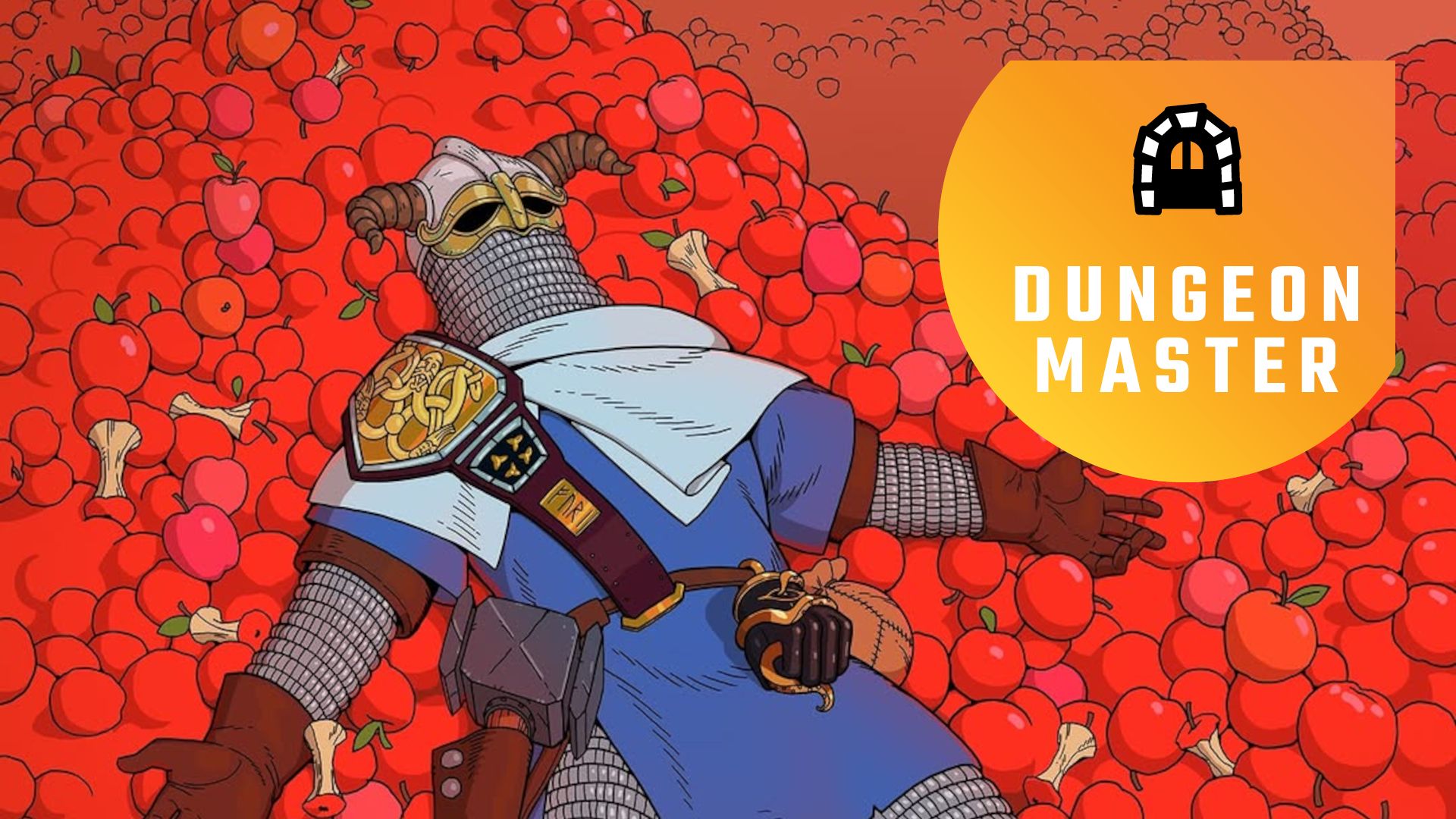
In a recent PC Gamer piece titled “RPGs are simply better when you're an idiot”, the author notes a personal disconnect with the “capable heroes” that populate many modern titles. The brief summary accompanying the article—“I just can't relate to these capable heroes”—suggests that the writer feels out of step with the high‑skill, high‑power playstyles that are common in contemporary RPGs.
Why the Title Matters
The headline itself implies a broader observation: that RPGs may be more accessible or enjoyable for players who consider themselves less skilled or less invested in mastering complex combat systems. This idea is not new; many game designers have long recognized that a game’s challenge curve should accommodate a wide spectrum of player abilities. When heroes are “capable” enough to solve problems without much effort, the game can feel less rewarding for those who prefer a steeper learning curve or who enjoy tinkering with character builds.
Capable Heroes vs. Player Skill
In many modern RPGs, characters are granted a range of powerful abilities, gear, and support options that can quickly offset a lack of skill. This design choice can make the experience feel “too easy” for players who enjoy the process of mastering mechanics. Conversely, games that provide more nuanced combat systems, tighter resource management, or a greater emphasis on positioning and timing tend to attract players who thrive on mastering intricate details.
Balancing Accessibility and Depth
Game developers often walk a fine line between making a title approachable for newcomers and preserving depth for seasoned players. Features such as adjustable difficulty, skill‑based progression systems, and optional challenges can help accommodate a diverse player base. The PC Gamer article’s focus on the author’s inability to relate to “capable heroes” highlights the tension that can arise when a game leans too heavily toward one end of that spectrum.
Player Experience and Narrative Engagement
Beyond mechanics, RPGs also rely on narrative immersion. A player who feels out of sync with a character’s abilities may find the story less engaging. This disconnect can stem from a mismatch between the player’s expectations and the game’s design philosophy. Some titles offer multiple paths, allowing players to choose a playstyle that aligns with their preferences—whether that means embracing powerful heroes or crafting a more delicate, skill‑based approach.
What Players Can Do
For those who find themselves “unable to relate” to the high‑powered protagonists typical of many current RPGs, there are several ways to tailor the experience. Selecting a character class that emphasizes strategy over raw power, opting for lower difficulty settings, or experimenting with unconventional builds can bring a fresh perspective to familiar titles. Additionally, exploring indie RPGs or classic titles that prioritize skillful play may provide a more satisfying challenge.
Conclusion
The PC Gamer article’s headline and brief summary underscore an ongoing conversation about player skill levels and game design. While the piece itself focuses on the author’s personal frustration, the underlying theme resonates with many gamers who feel that modern RPGs sometimes cater too heavily to “capable heroes.” Ultimately, the best RPGs are those that offer both accessibility for newcomers and depth for veterans, ensuring that every player—whether they consider themselves a pro or not—can find a path that feels rewarding.

No comments:
Post a Comment