
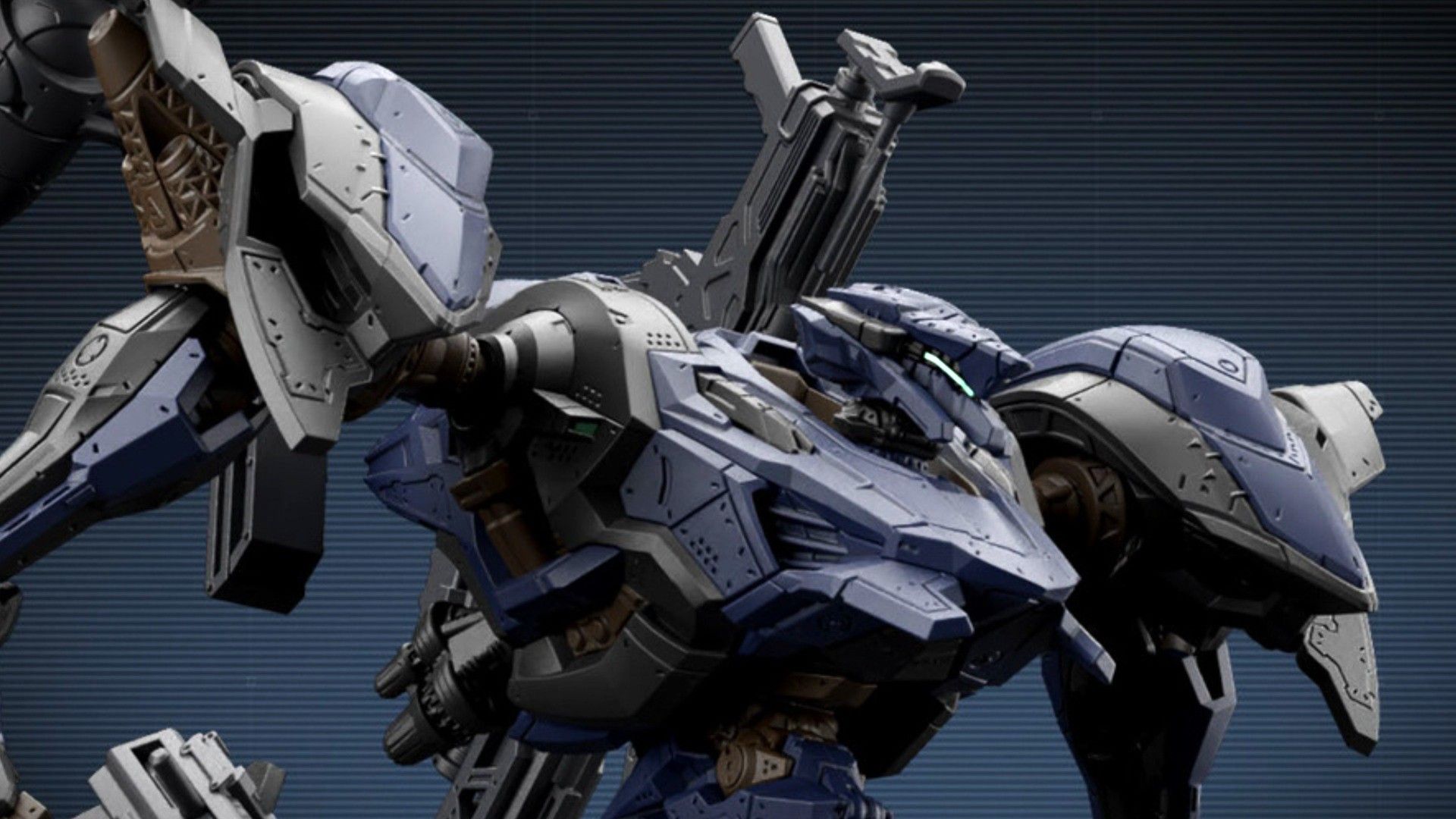
From Digital Mechs to Plastic Masterpieces
When the holiday season rolls around, many gamers look for gifts that combine their love of technology with a tangible, hands‑on experience. A recent PC Gamer piece titled “All I want for Christmas is plastic crap based on Armored Core” spotlights a new line of plastic model kits that bring the iconic mech franchise to life in a surprisingly accessible form. The kits, collectively referred to as “gunpla,” are a nod to the popular hobby of building model vehicles from plastic parts.
Why Armored Core Fans Are Turning to Gunpla
Armored Core has long been celebrated for its intricate mech designs and deep customization options. The franchise’s emphasis on modularity translates naturally into a model‑building format where players can assemble and reconfigure their machines piece by piece. The PC Gamer article notes that the kits capture the series’ signature aesthetic, offering a range of articulated joints and interchangeable components that mirror the in‑game customization system.
The Appeal of Plastic Model Kits for Gamers
Model kits provide a unique bridge between digital and physical play. For fans of Armored Core, building a gunpla offers a chance to explore the details of a mech’s chassis, weaponry, and internal mechanisms in a way that screenshots or in‑game models cannot. The tactile process of cutting, sanding, and painting each component also appeals to those who enjoy crafting and fine‑motor skills. According to the article, the kits are designed with a range of difficulty levels, making them suitable for both seasoned hobbyists and newcomers who might be drawn in by the franchise’s popularity.
What the Kits Include
While the PC Gamer piece does not disclose pricing or specific model names, it describes the kits as comprising a set of plastic parts that can be assembled into a full mech. The kits include articulated limbs, a cockpit, and modular weapons that can be swapped out to recreate different configurations seen in the games. The plastic used is noted for its durability and smooth finish, allowing for clean paint jobs and a polished final product.
Building the Gunpla: A Step‑by‑Step Overview
The article outlines a general building process that mirrors standard model‑kit assembly. First, the parts are sorted and inspected for any defects. Next, the builder uses a hobby knife to cut away excess plastic, followed by sanding to smooth edges. Once the frame is assembled, the kit’s joints are secured with small screws or snap‑fit mechanisms, allowing for a range of motion that reflects the mechs’ in‑game mobility. Finally, the kit is primed and painted, often using a combination of matte and gloss finishes to highlight the mech’s armor and weaponry.
Gift‑Giving and the Holiday Market
The timing of the article’s release—just before the holiday shopping season—suggests that the gunpla kits could become a popular gift for gamers who appreciate both the Armored Core series and the hobby of model building. The PC Gamer piece highlights that the kits are available from several retailers, with options for online purchase that allow for timely delivery.
Beyond the Plastic: Community and Customization
One of the strengths of the gunpla line, as noted in the article, is the potential for community engagement. Fans can share finished builds on social media, swap custom paint schemes, or even create new configurations by combining parts from different kits. This collaborative spirit echoes the multiplayer and modding communities that have long been a part of the Armored Core experience.
Final Thoughts
For those looking to add a new dimension to their Armored Core fandom, the gunpla kits offer an engaging way to interact with the franchise outside of the console. The combination of detailed plastic parts, modular design, and a straightforward building process makes them a compelling option for gamers who enjoy a mix of digital and physical creativity. As the holiday season approaches, the PC Gamer article reminds us that sometimes the best gifts are those that let you build your own world, one plastic piece at a time.

No comments:
Post a Comment