
Black Forest Games Breaks Free from Embracer Group
In a move that underscores the growing trend of smaller studios reclaiming control, Black Forest Games—the studio behind the beloved Giana Sisters revival—has bought itself out of its parent company, Embracer Group. The transaction, announced in a recent press release, marks a significant shift for the German developer, which had previously been part of the Embracer portfolio that includes a wide array of titles across multiple platforms.
While the specifics of the buy‑out deal are not publicly disclosed, the press release confirms that Black Forest Games will now operate independently. The studio’s spokesperson noted that the decision reflects a broader industry observation: “Some of the best games of the last decade came from teams of fifty, not five hundred.” The statement, which echoes a sentiment shared by many indie developers, highlights the studio’s confidence that a focused, lean team can deliver high‑quality experiences without the overhead of a large corporate structure.
THQ Nordic Collaboration Continues
Despite the change in ownership, Black Forest Games remains closely tied to THQ Nordic, a subsidiary of Embracer Group that specialises in publishing and publishing support. The press release emphasises that the two companies will “continue to collaborate on game development tasks.” This partnership is likely to cover a range of activities, from publishing support to marketing and distribution, allowing Black Forest Games to leverage THQ Nordic’s extensive infrastructure while retaining creative autonomy.
Industry observers note that such arrangements are becoming more common. Independent studios often seek the backing of a larger publisher for logistical support while negotiating terms that preserve creative control. In this case, Black Forest Games appears to have struck a balance: it remains a partner of THQ Nordic but is no longer under Embracer’s umbrella.
Implications for the Indie Landscape
The move has sparked discussion among indie developers and investors about the optimal size and structure for game studios. Black Forest Games’ own words—“Some of the best games of the last decade came from teams of fifty, not five hundred”—serve as a reminder that innovation often thrives in smaller, tighter teams. By shedding the weight of a large corporate parent, Black Forest Games can streamline decision‑making, accelerate development cycles, and focus resources on the projects that matter most to its community.
At the same time, the continued collaboration with THQ Nordic suggests that the studio recognises the value of a robust publishing partner. THQ Nordic’s experience in bringing games to market—particularly on PC and console platforms—provides a safety net that can help Black Forest Games navigate the competitive landscape without sacrificing its independent ethos.
Future Projects and Roadmap
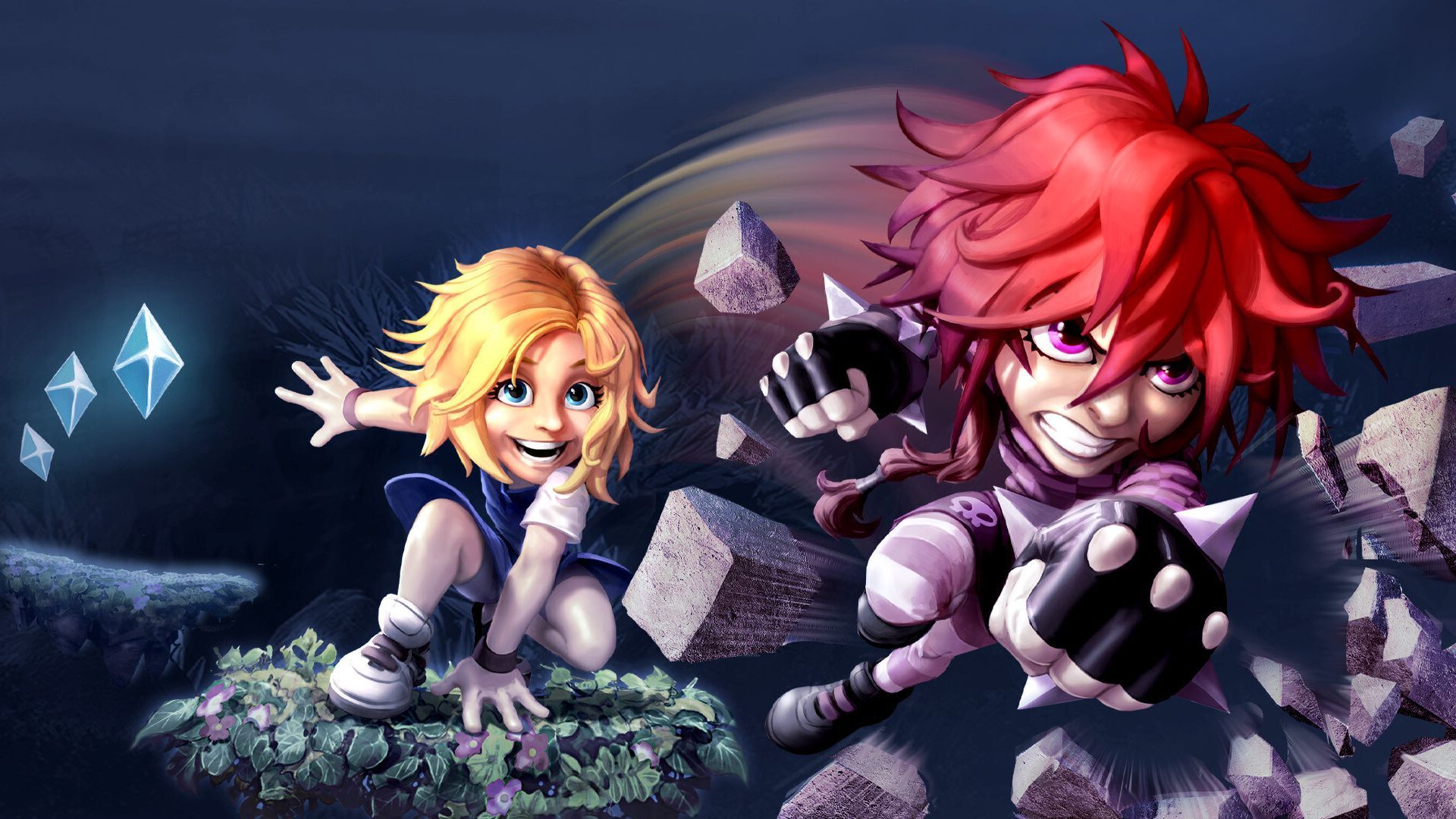
While the press release does not detail upcoming titles, Black Forest Games remains active in the industry. The studio’s most recent high‑profile release, the Giana Sisters reboot, received positive reviews for its nostalgic gameplay and modern polish. Fans can expect the studio to build on that success, potentially exploring new IPs or expanding the Giana Sisters universe.
Given the partnership with THQ Nordic, any future releases are likely to benefit from established distribution channels and marketing resources. However, the studio’s newfound independence means that creative decisions—such as art direction, gameplay mechanics, and narrative focus—will be made without external corporate pressure.
Conclusion
Black Forest Games’ decision to buy itself out of Embracer Group while maintaining a collaborative relationship with THQ Nordic reflects a nuanced approach to studio ownership in the modern gaming ecosystem. By asserting independence and preserving a partnership that offers logistical support, the studio positions itself to continue delivering high‑quality titles from a lean, focused team. For players and industry watchers alike, the move signals that the future of game development may increasingly lie in small, agile teams that can adapt quickly while still benefiting from the backing of larger publishers.

No comments:
Post a Comment