
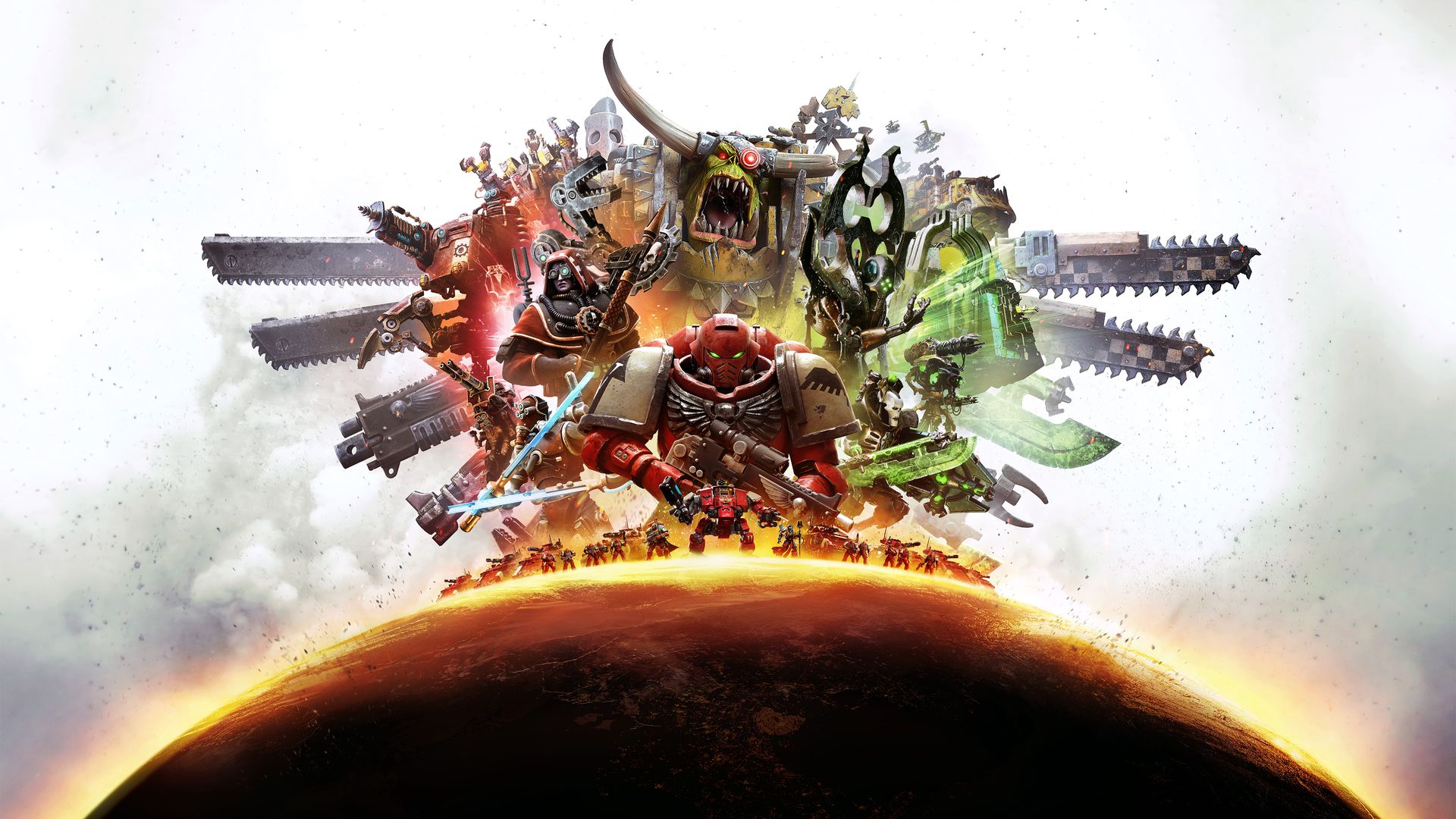
Branching Narratives in a War‑Torn Universe
In Dawn of War 4, the way you play the campaign is not a fixed path; it shifts as you make choices. Writer John French of the game explains how the developers built a system that lets each player’s decisions shape the story they experience. Rather than a single linear narrative, the campaign offers a tapestry of interwoven arcs that diverge based on who you play and what you decide.
Choosing Your Hero: The Starting Point for Divergence
At the beginning of the campaign you select a character to lead the story. Each protagonist comes with a distinct background and set of motivations, and that choice is the first pivot point. The narrative then follows that character’s perspective, offering scenes that reflect their personal goals and relationships. Because the story is anchored to the chosen hero, the same event can feel different depending on who is at the helm.
Decisions That Shape the Battlefield
Once you’re in the field, the game presents a series of decision points—whether to spare an ally, to attack a strategic target, or to negotiate with an enemy faction. French notes that each choice carries consequences that ripple through subsequent missions. A decision to sacrifice a resource might unlock a new weapon, while refusing a diplomatic offer could open a hostile encounter. These branching paths are designed to be meaningful rather than cosmetic, influencing both the tactical options available and the story’s emotional tone.
Overlapping Storylines: A Unified Yet Divergent Experience
Although the campaign branches, the overarching plot remains coherent. French describes the design as “overlapping stories.” The core conflict—the clash between the Imperium, the Eldar, and the Tyranids—remains the same, but the way each faction is portrayed and the order in which you confront them changes. This approach allows the game to explore multiple facets of the same war without fragmenting the narrative into disjointed threads.
Balancing Player Agency and Narrative Cohesion
One of the challenges with a branching campaign is keeping the story from feeling disjointed. The developers addressed this by ensuring that all branches converge on key plot points. French explains that while early decisions can lead to different missions, the game’s narrative architecture funnels players back together at crucial moments, preserving a sense of continuity. This design keeps the story engaging regardless of the path you take while still rewarding divergent choices.
Implications for Replayability and Community Discussion
The branching structure naturally boosts replayability. Players are encouraged to replay the campaign with different characters or to make alternative choices to see how the story unfolds. French highlights that this encourages community discussion, as players share the different outcomes they’ve experienced. It also adds depth to the lore, as each perspective offers new insights into the factions and their motivations.
Conclusion
John French’s breakdown of Dawn of War 4’s campaign structure shows a deliberate effort to fuse player choice with a robust narrative. By allowing character selection and in‑game decisions to steer the story, the game offers a personalized war experience while maintaining a cohesive overarching plot. Whether you’re a veteran of the franchise or new to the Warhammer universe, the branching campaigns promise fresh perspectives and new challenges with each playthrough.

No comments:
Post a Comment