
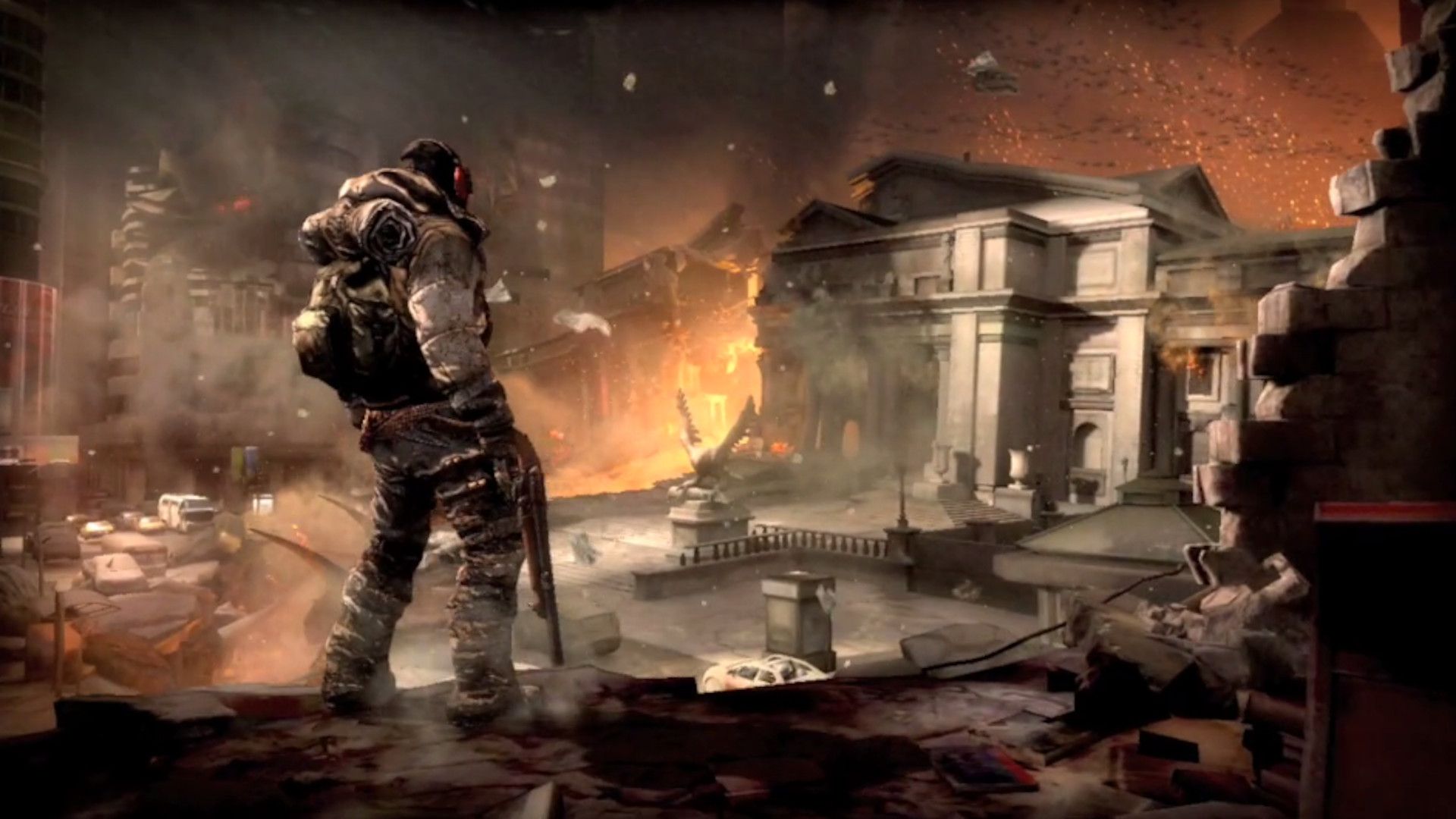
What Went Wrong With Doom 4?
When id Software announced Doom 4 in 2014, fans were thrilled to see the franchise return to the console market after a decade of PC‑centric releases. The project promised a fresh take on the series’ signature fast‑paced action, but it never made it past the development phase. A former id developer, who spoke to PC Gamer, has offered a candid assessment of the title’s fate, describing it as “actually a fun game” that ultimately failed because it “wasn't Doom.”
Behind the Curtain: A Fun, But Different, Experience
The developer’s remarks highlight a key tension that plagued Doom 4: the balance between innovation and franchise identity. While the game was praised internally for its engaging combat and polished mechanics, it diverged too far from the core elements that define Doom. The result was a product that felt more like a new shooter than a continuation of the iconic series, according to the insider’s recollection.
Why “Not Doom” Is a Problem
In the world of long‑running franchises, staying true to what fans expect is often as important as delivering fresh ideas. The Doom series is built on a set of recognizable tropes—intense gunplay, relentless enemies, and a distinct aesthetic that harks back to the 1993 classic. When a new entry deviates from these pillars, it risks alienating its established audience. The developer’s comment that the “problem is always that it's not Doom” underscores this point: the game’s core identity was too distant from the series’ legacy, making it difficult to market and position within the franchise’s narrative.
Lessons for Future Doom Titles
id Software’s experience with Doom 4 offers valuable takeaways for both developers and publishers. First, it illustrates the importance of clear vision and scope. A project can be technically solid and fun, yet still fail if it doesn’t align with the brand’s core values. Second, it shows that internal enthusiasm does not guarantee external success; a game that feels like a new IP may struggle to find its place in a franchise‑heavy market. Finally, it reminds us that even well‑executed titles can be sidelined if they do not meet the expectations of a dedicated fanbase.
The Aftermath and What’s Next
Following Doom 4’s cancellation, id Software continued to refine its approach to the series. The company’s subsequent releases, such as Doom Eternal, returned to the franchise’s roots while incorporating modern gameplay innovations. These titles have been widely praised for balancing nostalgia with fresh mechanics, suggesting that id learned from the pitfalls that doomed Doom 4. While the original project remains unreleased, its legacy lives on in the lessons it imparted and the cautionary tale it offers to developers working on beloved franchises.
Final Thoughts
For gamers and industry observers alike, Doom 4’s story is a reminder that even a fun and technically sound game can falter if it strays too far from what makes a franchise special. The project’s cancellation was a costly decision, but it ultimately helped id Software refine its vision and produce titles that resonate more closely with the Doom fanbase. As the series continues to evolve, the balance between innovation and tradition will remain a central challenge—and a source of excitement—for the community.

No comments:
Post a Comment