
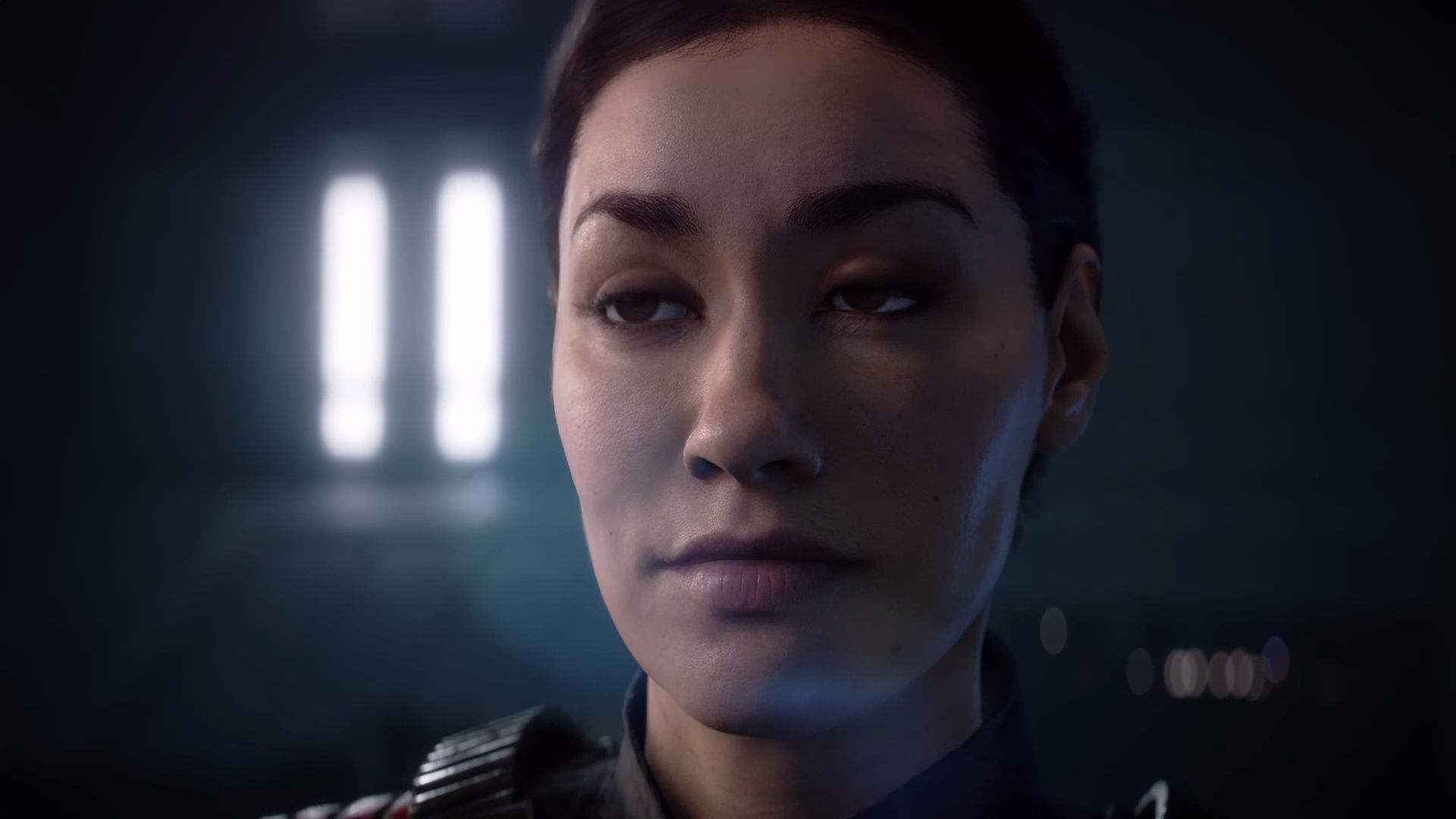
Leaked Footage Reveals Early Design
In a surprising turn for Star Wars fans, recently surfaced footage offers a rare glimpse into EA’s internal vision for a game that never reached the public. The footage, which has been circulating on various gaming forums, showcases early builds of a title codenamed Orca. While the footage is not a full gameplay recording, it provides enough detail to give insight into the game's aesthetic direction, level layout, and character models.
The clips show a mix of familiar Star Wars environments—damp, industrial corridors and expansive space stations—alongside more experimental design elements that hint at a potential narrative focus. The camera work and lighting suggest a developer team that was still refining the core gameplay loop and trying to balance action with exploration.
Asset Reuse and Development Strategy
One of the most striking aspects of the leaked footage is the clear reuse of assets from a previous Star Wars title that EA had also canceled. The models, textures, and even some environmental sounds appear to be carried over, indicating that the studio was attempting to streamline development by reusing existing resources. This approach is not uncommon in large IP projects, where the cost of creating entirely new assets can be prohibitive.
However, the decision to repurpose assets also points to a broader strategy within EA’s Star Wars division. By leveraging a shared asset library, the studio could have aimed to accelerate production timelines and reduce development risk. The footage shows that the team was experimenting with how these assets could be adapted to fit a new narrative and gameplay style, which might have involved significant reworking of the original content.
The Cancellation Chain
Despite the promising early look, Orca was ultimately canceled. According to the source, the project was shelved in favor of a different Star Wars game. This second project, which remains unnamed in public documents, was also later canceled. The chain of cancellations suggests a period of uncertainty for EA’s Star Wars endeavors, possibly driven by shifting corporate priorities or market considerations.
While the exact reasons behind each cancellation are not publicly confirmed, the pattern of moving from one Star Wars title to another—and then discontinuing both—highlights the challenges developers face when working with highly regulated and high‑profile franchises. The decision to cancel a project in favor of another indicates that the studio was seeking a more viable or compelling direction, but the subsequent cancellation of the replacement title points to deeper issues that may have extended beyond creative direction.
Industry Implications
The leak of Orca footage is a reminder that even high‑budget, high‑profile projects can be vulnerable to change. For fans of the Star Wars universe, the footage provides a tantalizing glimpse into what might have been—a game that could have offered a fresh take on the beloved franchise.
From a developer’s perspective, the case underscores the importance of flexibility. Asset reuse can be a powerful tool, but it also requires careful integration to ensure that new content feels cohesive. The rapid pivot from one canceled project to another may reflect a broader industry trend where studios must constantly reassess the viability of their IPs in a crowded market.
For gamers, the story of Orca serves as a cautionary tale about the volatility of game development. Even when a studio has a well‑known franchise on its roster, the path from concept to release is rarely straightforward. The leaked footage, while incomplete, offers a valuable snapshot of the creative process and the realities of studio decision‑making.
As the gaming community continues to digest the implications of these cancellations, the industry will likely keep a close eye on how other large publishers handle similar high‑profile IPs. Whether the lessons from Orca and its successor will influence future Star Wars projects remains to be seen, but the leaked footage will undoubtedly stay in the conversation for years to come.

No comments:
Post a Comment