
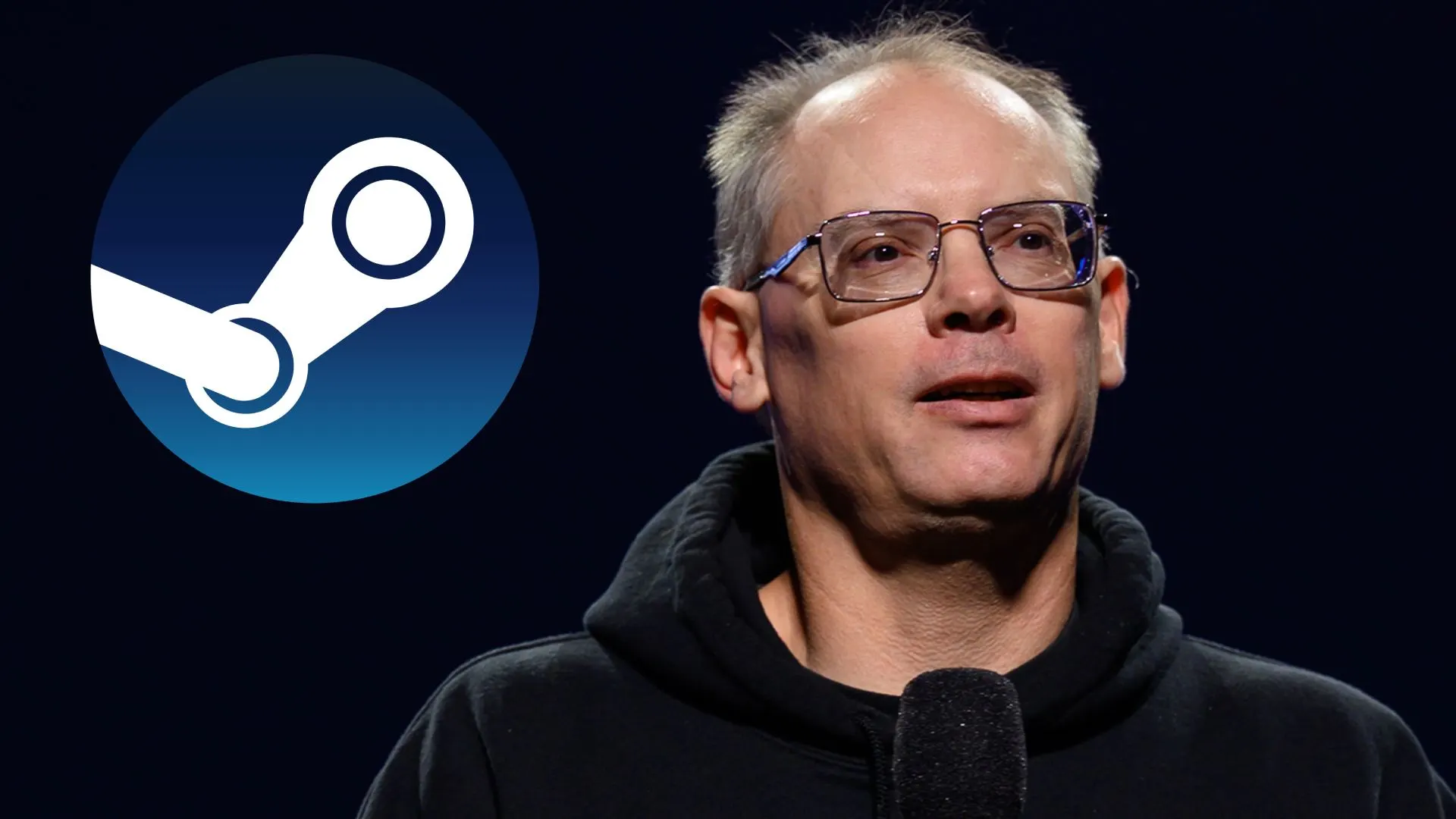
A Striking Assessment of PC Gaming's Dominant Platform
The landscape of PC game distribution has seen numerous attempts at disruption over the years, yet Valve's Steam remains the overwhelming center of the PC gaming ecosystem. In a recent perspective reported by Prima Games, a former Epic Games developer offered a bold take on Valve’s long-standing position, asserting that Steam has effectively "broke capitalism" and created a market situation where competing with it has become almost impossible.
This assessment highlights a fundamental issue facing anyone attempting to build a rival digital storefront in the modern gaming space. Despite the arrival of alternative platforms seeking to carve out market share, Steam's foothold appears so deeply entrenched that traditional market competition struggles to make a lasting dent in its position.
Winning by Doing Nothing: The Storefront Paradox
A central element of this commentary centers on how Steam manages to maintain its leadership position. From an outside perspective, it often really does look like Steam does virtually nothing while continuing to win over and over again. While competitors expend significant effort and resources trying to attract users and shift player habits, Steam appears to effortlessly hold onto its massive player base without needing to make aggressive strategic moves.
In standard economic theory, a market leader that adopts a relatively hands-off or passive approach should, in theory, create opportunities for active competitors to gain ground. However, the PC distribution market under Steam defies this expectation. The former Epic Games developer's claim that Steam "broke capitalism" points directly to this anomaly: standard competitive tactics do not seem to produce the expected economic outcomes when pitted against Steam's existing dominance.
The Structural Hurdles of Competing With Valve
The former developer's statements underscore an environment where consumer habits and platform loyalty override typical market incentives. Once a digital storefront becomes the default platform for millions of PC gamers, convincing those users to split their game collections across alternative applications requires an extraordinary push.
For developers, publishers, and competing platform holders, this creates an exceptionally challenging dynamic. Even when alternative storefronts attempt to enter the market with their own initiatives, the sheer gravitational pull of Steam's established ecosystem keeps the vast majority of PC gaming activity centered on Valve's launcher. This reality leaves prospective competitors fighting an uphill battle that can feel practically unwinnable.
An Unbroken Stronghold in Digital Distribution
Ultimately, the perspective shared by the former Epic Games developer serves as a stark reminder of just how unique Steam's market position really is within the gaming industry. For veterans who have worked on competing storefront projects, analyzing Steam's ongoing success highlights the immense difficulty of breaking through in a space dominated by a single player.
As the PC gaming market continues to grow, the challenge of building a viable competitor to Valve's platform remains one of the toughest obstacles in digital software distribution. For now, Steam's pattern of continuing to win—even while appearing to do very little—remains a dominant force that competing platforms have yet to overcome.

No comments:
Post a Comment