
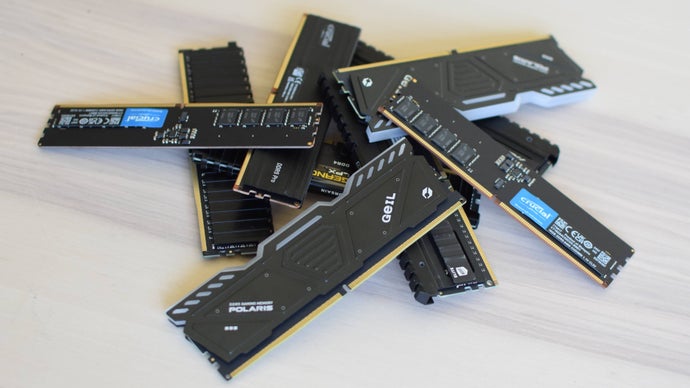
Memory Shortage Continues to Stifle the Gaming Industry
For months, gamers have felt the sting of rising memory prices and limited supply. The global memory crisis, sparked by a surge in demand for high‑performance GPUs and the rapid expansion of cloud gaming, has pushed DRAM prices to record highs. Developers and hardware manufacturers are scrambling to secure enough RAM to keep next‑generation titles running smoothly, while retailers and consumers face steep price tags.
The Lawsuit: Accusations of Price‑Fixing and Supply Manipulation
In a high‑profile antitrust case, a U.S. lawsuit has been filed against three of the world’s largest DRAM producers: Samsung Electronics, SK Hynix, and Micron Technology. The plaintiffs allege that the companies colluded to fix memory prices and restrict supply, actions that allegedly exacerbated the memory crisis and harmed consumers, retailers, and game developers alike.
Who’s Involved?
The suit names Samsung, SK Hynix, and Micron as the primary defendants. These firms control a significant portion of the global DRAM market, with Samsung alone accounting for roughly 40 % of worldwide production. The allegations suggest that the trio coordinated pricing and output decisions to keep prices high and supply tight.
Judge Denies Motion to Dismiss
On Friday, a federal judge in the U.S. District Court for the Northern District of California denied a motion to dismiss the lawsuit. The motion was filed by the three chip makers, who argued that the claims lacked legal merit and that the alleged conduct was permissible under antitrust law. The judge’s ruling means the case will proceed to discovery and, potentially, trial.
Why This Matters for Gamers
High memory costs translate directly into higher prices for gaming PCs, consoles, and even cloud‑based gaming subscriptions. Developers must allocate more budget to secure the necessary hardware, which can delay releases or force compromises in game design. For players, the ripple effect is seen in pricier systems and, in some cases, reduced performance due to limited RAM availability.
Industry Reaction
While the lawsuit’s supporters argue that the case could curb anti‑competitive practices, the chip makers have maintained that their pricing and supply decisions are based on market demand and production constraints. No official statements from Samsung, SK Hynix, or Micron have been released in response to the judge’s ruling, and the companies are likely preparing for the next phase of litigation.
Potential Outcomes
Should the case proceed to trial, the court will examine evidence of collusion, such as internal communications and pricing patterns. A finding of antitrust violations could result in significant penalties for the defendants, including fines and mandatory changes to their business practices. Conversely, a dismissal could reinforce the current market dynamics, leaving the memory crisis largely unchanged.
What Gamers Can Do
In the meantime, gamers and developers can monitor memory prices and consider alternative solutions. Options include using lower‑tier memory modules, optimizing game code to reduce RAM demands, or exploring emerging memory technologies that might offer better performance at lower cost. Additionally, keeping an eye on legal developments can help stakeholders anticipate shifts in supply and pricing.
Looking Ahead
The judge’s decision to deny the motion to dismiss keeps the lawsuit alive and sets the stage for a deeper examination of the DRAM market’s competitive landscape. As the gaming industry continues to push the limits of hardware, the outcome of this case could have lasting implications for how memory is priced, supplied, and regulated in the United States and beyond.

No comments:
Post a Comment