
Netflix’s “Planeswalker” Will Bring Magic’s Multiverse to Life—One Art Style at a Time
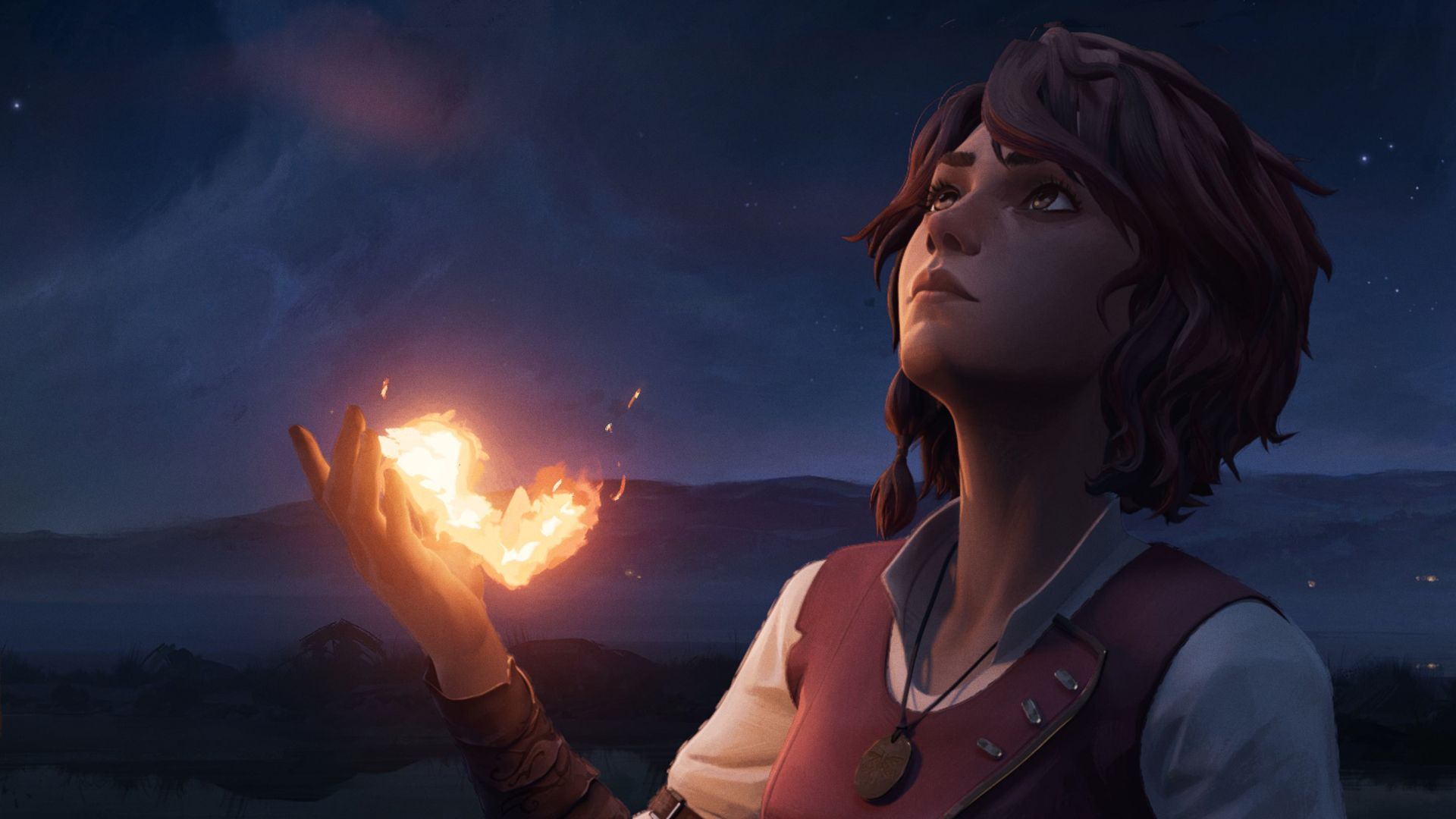
Netflix’s upcoming animated adaptation of Magic: The Gathering, titled Planeswalker, is set to take viewers on a visually distinct journey across the game’s iconic planes. The production team has announced that each plane will be rendered in its own unique art style, a creative choice that echoes the diversity found on the cards themselves.
Why Different Art Styles Matter
In the world of Magic: The Gathering, each plane is more than a backdrop; it’s a living, breathing ecosystem of lore, culture, and conflict. By assigning a distinct visual language to each plane, the series aims to honor that richness. This approach allows the animation to reflect the tonal shifts between worlds—whether it’s the grim, industrial feel of Dominaria, the dreamlike, surreal landscapes of Ravnica, or the stark, elemental vistas of Zendikar—without relying on a single, uniform aesthetic.
Such differentiation also serves a practical storytelling purpose. As the narrative moves from one plane to another, the change in art style signals to the audience a transition in setting and mood, keeping the pacing dynamic and the viewer’s attention anchored in the story’s geography.
The Card Game Connection
“Each one of these cards is this window into this incredible world,” the series’ creators note. That statement captures the core of Magic: The Gathering’s design philosophy: cards are not just mechanics but gateways to expansive, imaginative realms. The animation’s varied styles mirror the card art, where each illustration offers a fresh perspective on the plane’s narrative and thematic elements.
In the card game, the art on a card can define a plane’s identity as powerfully as its mechanics. By translating that concept to animation, Planeswalker leverages a familiar visual cue for long‑time fans while providing new viewers with a clear, immersive introduction to the multiverse.
What This Means for Fans
For collectors and casual players alike, the series’ commitment to varied artistry promises an experience that feels both nostalgic and novel. Fans of the card game will recognize the homage to the game’s iconic artwork, while newcomers may find the stylistic shifts a compelling way to explore the breadth of the Magic multiverse.
Moreover, the decision underscores the show’s ambition to do more than simply adapt a game—it seeks to expand the lore. By treating each plane as a distinct narrative world, the series invites deeper exploration of the settings that have inspired countless card designers and players over the years.
Conclusion
Netflix’s Planeswalker is poised to become a visual landmark in the growing landscape of game‑based animation. By granting each plane its own art style, the series honors the intricate world‑building that has made Magic: The Gathering a cultural touchstone. Whether you’re a veteran of the card game or a newcomer drawn by the promise of animated adventure, the show’s artistic ambition offers a fresh lens through which to experience the multiverse—one plane, one style, one story at a time.

No comments:
Post a Comment