
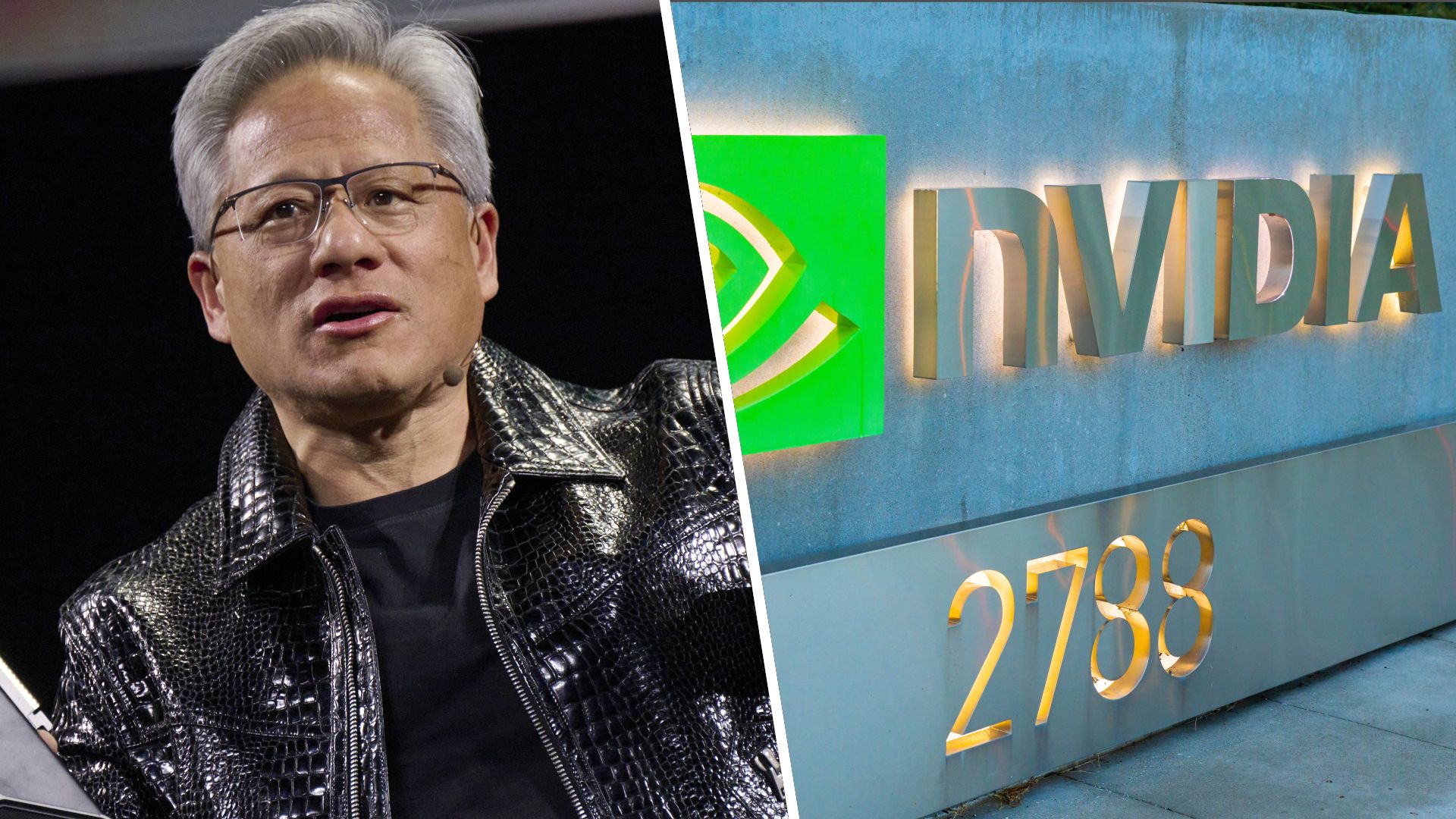
Nvidia’s CEO in the Crosshairs
In a startling development that has reverberated across the gaming and technology sectors, Nvidia’s chief executive officer, Jensen Huang, has reportedly admitted to an affair with an individual described as an alleged Chinese spy. The claim, first reported by PC Gamer, has prompted the company’s board of directors to launch an internal investigation into the matter.
While the details surrounding the alleged relationship remain sparse, the very fact that the board is actively probing the issue signals the seriousness with which Nvidia is treating the allegations. No further information has been released by the company, and the source of the claim has not been identified beyond the PC Gamer article.
Board Takes Action
Corporate governance protocols typically require boards to investigate any conduct that could potentially jeopardize a company’s reputation, financial stability, or regulatory standing. In this case, the board’s decision to open a formal inquiry reflects the potential risks that an executive’s personal misconduct could pose to Nvidia’s public image and stakeholder trust.
Given Nvidia’s position at the forefront of GPU development for gaming, professional graphics, and artificial‑intelligence workloads, any controversy involving its leadership carries implications that extend far beyond the company’s internal affairs. The board’s investigation will likely involve a review of communications, financial records, and any evidence that might substantiate the claim of an affair with a person alleged to be a spy.
Implications for the Gaming and Tech Ecosystem
For the gaming community, Nvidia remains a critical supplier of graphics hardware. Its GPUs power the vast majority of modern gaming PCs, and its technologies underpin many of the industry’s most popular titles. As such, any leadership turmoil at Nvidia can create uncertainty about supply chain stability, product roadmaps, and the future direction of graphics innovation.
Beyond the immediate concerns for gamers, the broader tech ecosystem is watching closely. Nvidia’s chips are integral to machine‑learning platforms, data‑center operations, and emerging fields such as autonomous vehicles. A leadership crisis could potentially influence investor confidence in the company’s ability to maintain its competitive edge in these high‑growth markets.
What This Means for Investors and Gamers
While the situation is still unfolding, the announcement of a board‑initiated investigation could lead to short‑term volatility in Nvidia’s stock price. Historically, executive misconduct allegations have prompted market reactions, even if the final outcome of an investigation is ultimately favorable to the company.
Gamers and hardware enthusiasts may also experience ripple effects. Delays in product launches or changes in strategic priorities could affect the availability of new GPUs, driver updates, and support for upcoming game releases. However, no concrete timeline or operational impact has been disclosed at this stage.
Next Steps and Uncertainty
At present, the investigation is in its early stages. The board has not issued a public statement detailing its scope or expected timeline. Nvidia’s corporate communications team has remained silent, and no official comment has come from Jensen Huang himself.
Stakeholders—including investors, partners, and consumers—will likely await further updates from the company. In the meantime, the incident underscores the importance of robust governance frameworks, especially for firms operating at the intersection of cutting‑edge technology and global security concerns.
As the story develops, industry analysts will be assessing whether Nvidia’s leadership structure and oversight mechanisms can adequately address the challenges posed by such allegations. For gamers, the focus remains on whether the company can continue to deliver the high‑performance hardware that powers the next generation of gaming experiences.

No comments:
Post a Comment