
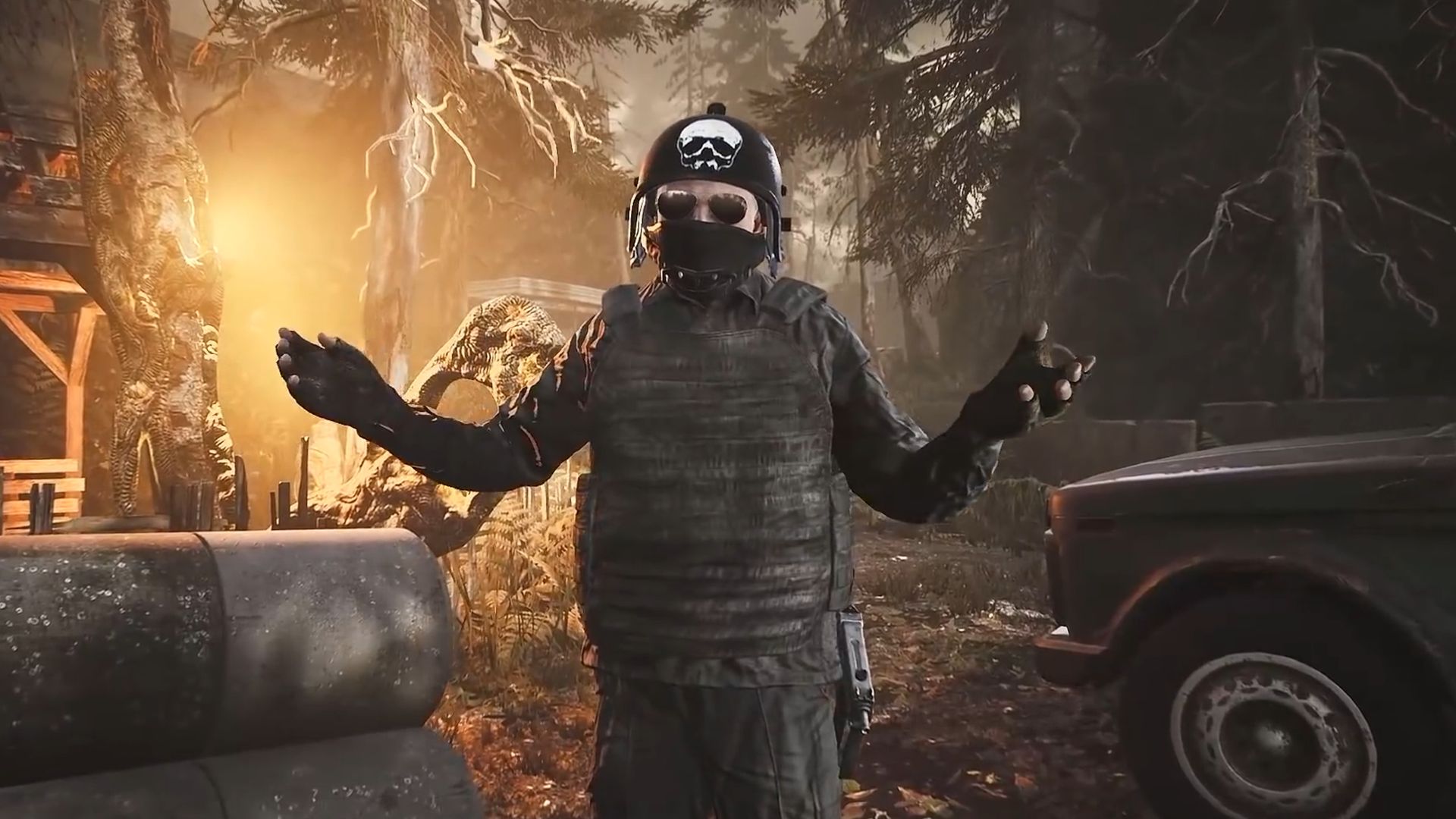
A Brief Look at Pioner
When Pioner first entered the scene, it drew immediate attention from fans of long‑running survival shooters. The game was often described in early previews as a hybrid of Stalker and Tarkov, promising a gritty, realistic experience with deep looting mechanics and tense combat. That description earned it the nickname “Stalker and Tarkov’s alien baby” in the community, a playful nod to its ambitious blend of familiar survival tropes with a fresh, indie perspective.
Early Access Beginnings
In late 2025, the developers released Pioner into early access, a common path for indie studios looking to gauge player interest and secure funding while polishing their titles. Early access offers a window for developers to iterate on gameplay, balance systems, and build a community around the evolving product. For many players, it also provides a chance to influence the direction of a game that still has a lot of work to do.
At launch, Pioner appeared to be on the right track. The initial build included a solid core survival loop, a detailed environment, and a combat system that felt both challenging and rewarding. Community feedback highlighted the game’s potential, and early reviews noted its promising foundation. The early access period was, for the most part, a period of optimism and constructive criticism.
The Downfall
However, the trajectory changed quickly. Within just a few months of early access, the developers announced that Pioner would be shutting down. The announcement came less than a year after the game’s initial release, a stark reminder of the volatility that can accompany indie projects. While the specific reasons for the closure were not detailed in the public statements, the timing suggests that the game faced significant hurdles in maintaining momentum, whether due to technical challenges, resource constraints, or shifting community expectations.
For players, the shutdown meant an abrupt end to a game that had begun to carve out its own niche. The closure left many in the community with unfinished content and a sense of disappointment. It also highlighted the risks inherent in the early access model: a title can quickly lose traction if it fails to keep up with the demands of a growing player base or address critical issues in a timely manner.
Implications for Indie Developers
Pioner’s experience underscores several key lessons for indie studios. First, early access can be a double‑edged sword. While it allows developers to refine their product with real‑world feedback, it also places the game under public scrutiny from the outset. Maintaining a consistent release cadence and clear communication with players is essential to sustain interest.
Second, resource management is critical. Many indie teams operate with limited budgets and small teams. A sudden increase in scope—such as adding new features or expanding content—can stretch resources thin. Without sufficient funding or a scalable development plan, projects may struggle to deliver on early promises.
Finally, community engagement must be genuine and ongoing. Players invest time and money in early access titles, expecting tangible progress. Transparent updates, realistic timelines, and a willingness to adapt can help preserve goodwill, even when challenges arise.
What This Means for Players
For those who purchased or invested in Pioner, the shutdown is a reminder that early access titles carry inherent uncertainties. While many indie games thrive and mature into polished releases, others may falter before reaching full production. Players looking to support upcoming projects should consider the track record of the developers, the clarity of their roadmap, and how the community is responding to early releases.
In the broader context, Pioner’s closure contributes to an ongoing conversation about the sustainability of early access as a development model. As the industry continues to evolve, both players and developers must navigate the balance between creative freedom and commercial viability.
In the end, Pioner’s brief run serves as a cautionary tale and a testament to the challenges of bringing a complex survival shooter to market. While the game may no longer be playable, its story will likely inform future indie projects that aim to combine the best elements of established survival franchises with fresh, innovative ideas.

No comments:
Post a Comment