
Relic’s Storied Past
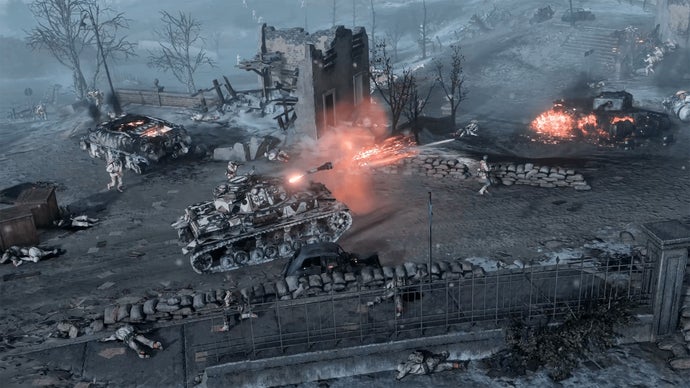
For almost three decades, Relic Entertainment has carved out a niche as one of the most influential studios in real‑time strategy. Their flagship titles—Homeworld, Dawn of War, and Company of Heroes—have earned critical acclaim and a devoted fan base. The studio also dipped into other genres, releasing the third‑person shooter The Outfit and the original Warhammer 40,000: Space Marine. Despite this varied portfolio, it has been the RTS series that most defined Relic’s brand.
The 2024 Sale to Emona Capita
In 2024, Relic entered negotiations to exit its long‑standing relationship with Sega. The deal was set to transfer the studio’s ownership to UK investment firm Emona Capita. While the transaction was primarily a business restructuring, it hinged on one critical component: the rights to the Company of Heroes franchise.
Why Company of Heroes Was Essential
Relic CEO Justin Dowdeswell explained that the studio could not have survived without securing the intellectual property. “Without it we would have been a dead studio,” he said, underscoring the dual importance of creative control and financial stability. The series not only allows Relic to continue producing new titles under a proven brand, but it also provides a steady revenue stream from back‑catalogue sales. Dowdeswell noted that many studios cannot rely on their name alone, and that the Company of Heroes IP was a safeguard against that risk.
Creative Freedom and Future Projects
Ownership of the franchise means Relic can steer the direction of future releases, whether that involves expanding the story, introducing new gameplay mechanics, or exploring spin‑offs. The company’s history of innovation—such as the narrative depth of Dawn of War and the tactical realism of Company of Heroes—suggests that new entries could push the genre further while retaining the core elements that fans love.
Financial Viability Through Back Catalogues
Revenue from ongoing sales of earlier titles is a significant component of a studio’s cash flow. For a company that has produced several high‑profile RTS games, the ability to monetize older releases provides a cushion against the uncertainties of new projects. Dowdeswell highlighted that this steady income stream was vital for maintaining studio operations during the transition period.
Implications for the Industry
Relic’s experience offers a case study for other studios navigating ownership changes. It demonstrates that retaining or acquiring key intellectual properties can be as important as securing investment or distribution deals. The lesson is clear: a studio’s brand identity and its associated IP can be the lifeline that keeps it afloat in a volatile market.
Looking Ahead
With Emona Capita now in the picture and the Company of Heroes rights secured, Relic is positioned to chart a new course. The studio’s legacy of delivering engaging RTS experiences remains intact, and the financial foundation laid by the franchise’s catalogue sales should provide the stability needed to explore fresh ideas. Fans of the series can look forward to potential new titles, while the broader gaming community can take note of how strategic IP management can safeguard a studio’s future.

No comments:
Post a Comment