
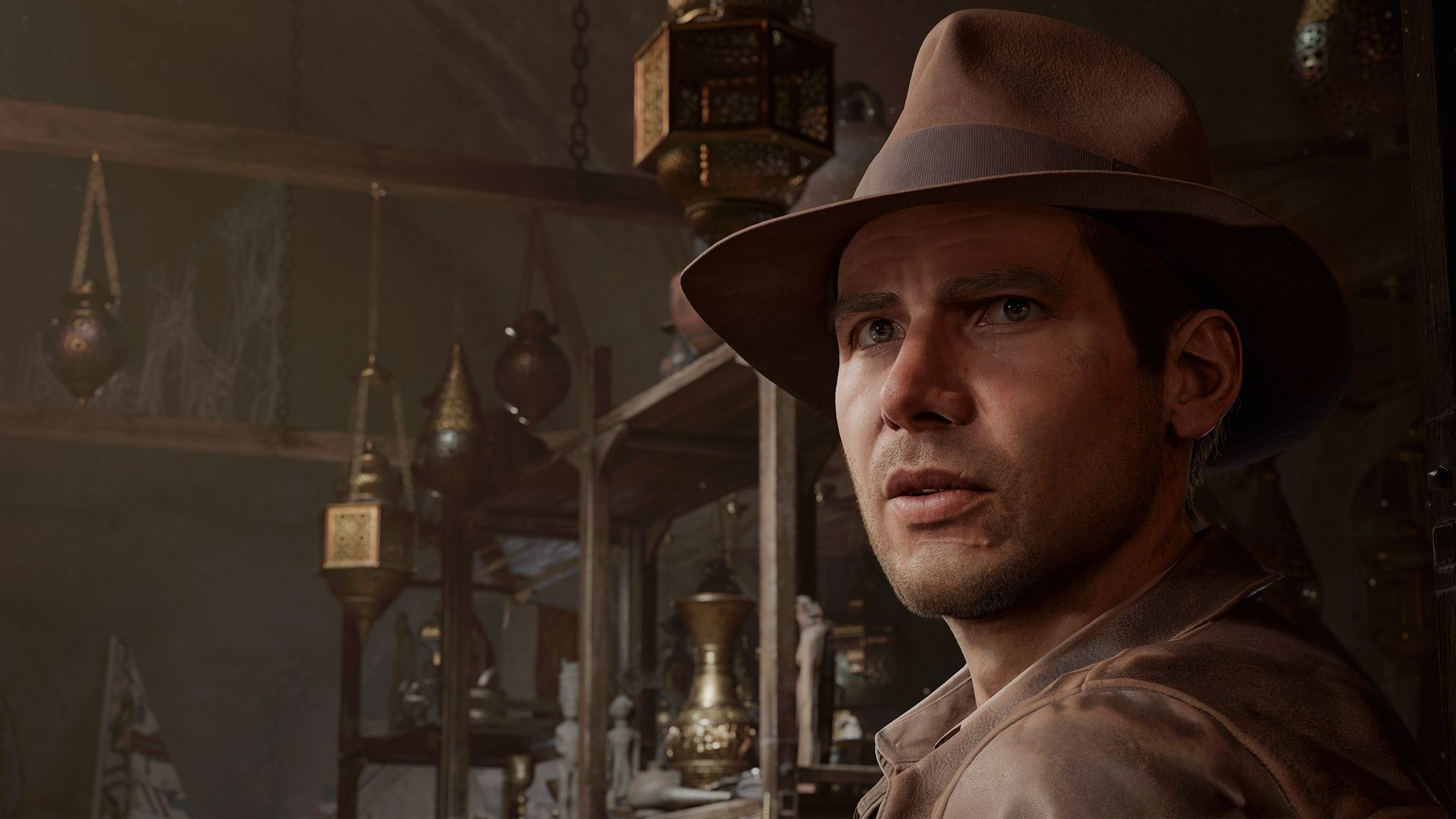
A Wanted System That Never Was
When MachineGames first sketched out the mechanics for Indiana Jones and the Great Circle, the team drew inspiration from the open‑world chaos of the Grand Theft Auto series. The original design brief included a wanted‑level mechanic that would have escalated as players fired shots at enemy soldiers. The concept promised a dynamic response to gunplay—higher wanted levels would trigger more aggressive Nazi forces and cut‑scene cut‑scenes that mirrored the frantic, law‑and‑order chase sequences of GTA.
However, during internal play‑testing the team discovered that the system could have undermined the game’s narrative intent. The designers feared that players might rely almost exclusively on firearms to dispatch enemies, thereby trivialising the series’ trademark mix of puzzle‑solving, exploration, and combat. The result was a radical shift: the wanted system was scrapped entirely before the game entered production.
Design Philosophy Behind the Decision
“We penalised shooting so much in that game,” says design director Jens Andersson. The quote reflects a core philosophy that has guided MachineGames’ approach to the franchise: to keep gunplay in check and preserve the balance between action and story. By heavily penalising shooting, the team aimed to discourage a purely shoot‑and‑run playstyle and to encourage players to think about when and how to engage enemies.
In practice, this meant re‑engineering combat encounters so that firearms were less of a catch‑all solution. The developers introduced a wider array of environmental tools—throwing rocks, using the iconic whip, or setting traps—to give players alternative methods for neutralising threats. The result is a gameplay loop that rewards creative problem‑solving over sheer firepower.
Balancing Action and Narrative
The decision to remove the wanted mechanic also aligned with the franchise’s cinematic roots. Indiana Jones games have historically leaned on a blend of platforming, puzzle‑solving, and hand‑to‑hand combat, rather than on the relentless gunfire that characterises many modern shooters. By eliminating a GTA‑style wanted system, MachineGames preserved the series’ signature pacing: tense, atmospheric sequences punctuated by carefully choreographed encounters.
Moreover, the removal allowed the narrative to take centre stage. Without the constant pressure of a rising wanted level, the game could focus on storytelling beats—such as the discovery of ancient relics, the unraveling of conspiracies, and the moral choices that define the protagonist’s journey. The design team’s choice to penalise shooting, therefore, was as much a narrative decision as it was a gameplay one.
Implications for Future Titles
While the wanted system never made it to the final release, the experience has informed MachineGames’ future projects. The studio now approaches weapon use with a more nuanced perspective, ensuring that firearms remain a tool rather than a crutch. This shift is evident in the way enemy AI reacts to player actions, the variety of combat options available, and the emphasis on environmental interaction.
For fans of the franchise, the decision underscores a commitment to preserving the classic Indiana Jones feel. It also signals that future games will likely continue to prioritize balanced gameplay over high‑octane shoot‑and‑run mechanics. The design director’s candid admission that the team “penalised shooting so much” offers a transparent look into the iterative process that shapes modern action titles.
Conclusion
The abandoned wanted system serves as a reminder that game design is as much about what you choose to leave out as what you include. By removing a mechanic that could have skewed the balance and diluted the narrative, MachineGames reinforced the core elements that have made the Indiana Jones franchise enduring. The result is a game that feels true to its roots while still offering fresh challenges for players to tackle—without the temptation to simply shoot their way through every obstacle.

No comments:
Post a Comment