
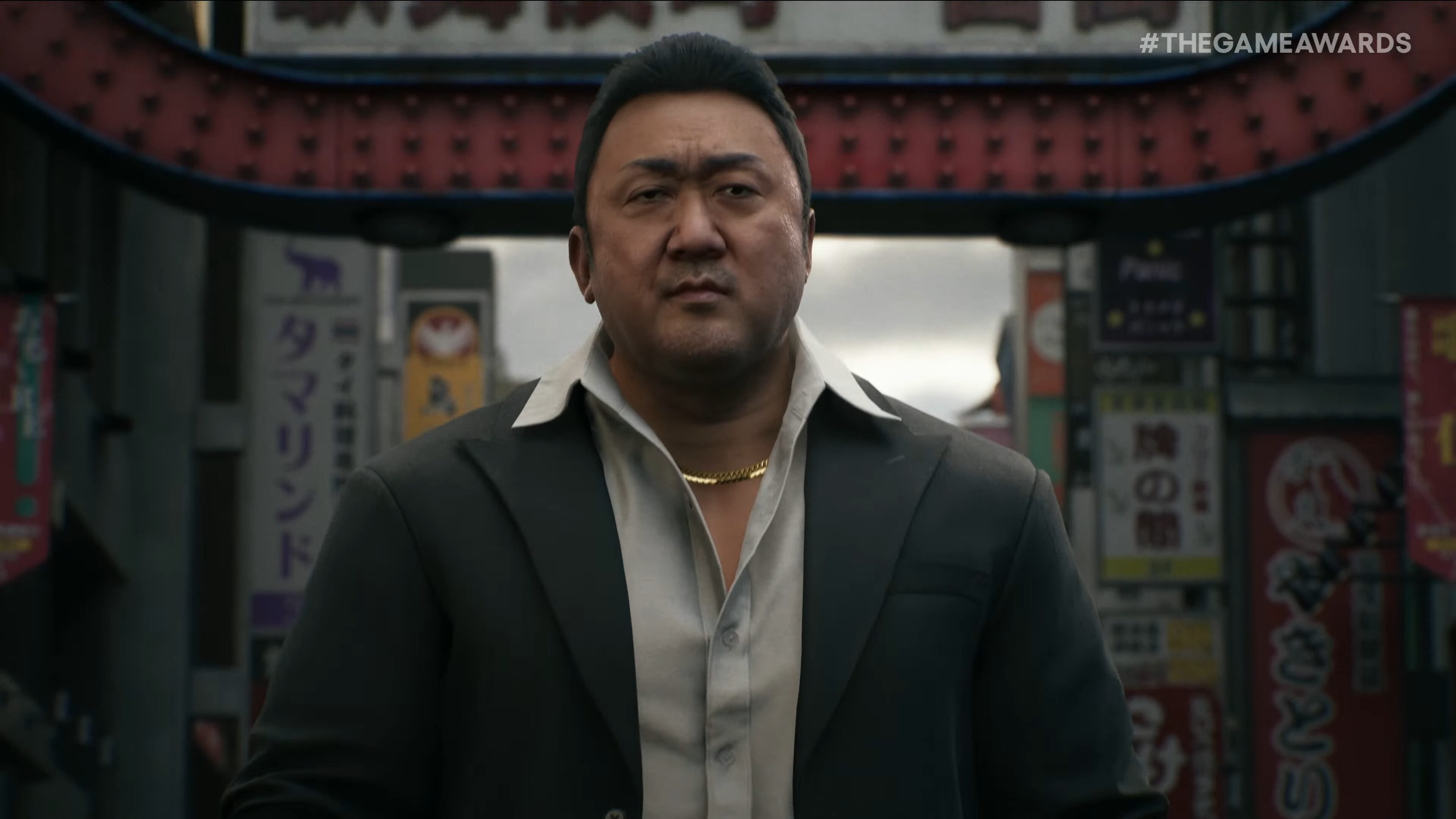
The End of an Era for Yakuza’s Creator
In a move that has sent shockwaves through the Japanese gaming community, Nagoshi Studio, the independent venture founded by Toshihiro Nagoshi, has officially closed its doors. The announcement follows NetEase’s decision to cut the studio’s funding, leaving the company without the financial support it had relied upon for its recent projects.
Who Is Toshihiro Nagoshi?
For decades, Toshihiro Nagoshi has been a pillar of the Japanese game industry. He first rose to prominence as the creative force behind the long-running Yakuza series, a franchise that has earned a dedicated fan base for its blend of gritty storytelling, deep exploration of Tokyo’s underworld, and signature mix of beat‑em-up combat and side‑quests. Nagoshi’s work has consistently pushed the boundaries of narrative depth in action‑adventure titles.
From Yakuza to Nagoshi Studio
In 2015, Nagoshi left SCE Japan and established Nagoshi Studio, aiming to develop games that reflected his personal vision rather than a corporate mandate. The studio’s first major project was the 2018 release of Yakuza: Like a Dragon, a title that marked a significant shift for the series by introducing a turn‑based combat system. The game was praised for its fresh gameplay mechanics and was a commercial success in Japan and overseas.
Following the success of Like a Dragon, Nagoshi Studio announced plans to continue the series and explore new intellectual properties. However, the studio’s independence also meant that it had to secure external investment to fund its ambitions. NetEase, a Chinese internet technology company, stepped in as a key financial partner, providing the capital necessary to bring the studio’s projects to fruition.
NetEase Cuts Funding, Nagoshi Studio Closes
According to the official statement released by the studio, NetEase’s withdrawal of funding was the decisive factor in the closure. While the exact reasons behind NetEase’s decision were not disclosed, the loss of this critical financial backing left Nagoshi Studio unable to sustain its operations. The company confirmed that all staff will be laid off and that the studio’s assets will be liquidated.
The announcement also noted that the closure is effective immediately, with no plans for a reorganization or sale to another entity. Toshihiro Nagoshi expressed his gratitude to his team and the fans who supported the studio’s work, but did not elaborate on future plans.
Impact on the Yakuza Franchise
With Nagoshi Studio’s closure, the future of the Yakuza series is uncertain. While the franchise remains a flagship property for Sega, the next installment is expected to be developed by a different team. Fans will have to wait to see whether the new direction will retain the series’ core elements or explore entirely new gameplay concepts.
Industry analysts suggest that the series may continue under Sega’s broader umbrella, possibly with a new lead developer or a partnership with another studio. However, until an official announcement is made, speculation remains just that—speculation.
What This Means for Independent Studios in Japan
The closure of Nagoshi Studio highlights the precarious nature of independent game development in Japan. While creative freedom can lead to innovative titles, it also exposes studios to significant financial risk. The case underscores the importance of diversified funding sources and the potential volatility of relying on a single external partner.
For aspiring developers, the situation serves as a reminder to build robust business plans that account for potential funding fluctuations. It also illustrates the broader industry trend of large corporations, such as NetEase, engaging in cross‑border investments that can both empower and jeopardize local studios.
Looking Ahead for Toshihiro Nagoshi
Despite the studio’s closure, Toshihiro Nagoshi’s reputation as a visionary designer remains intact. His track record of delivering compelling narratives and innovative gameplay mechanics suggests that he will continue to be a sought-after talent in the industry. Whether he will return to a larger publisher or establish a new independent venture remains to be seen.
For now, the gaming community mourns the loss of a studio that pushed the boundaries of the action‑adventure genre and contributed a memorable chapter to one of Japan’s most beloved franchises. The closure of Nagoshi Studio is a stark reminder that even the most celebrated creators can face unexpected challenges in the ever‑shifting landscape of game development.

No comments:
Post a Comment