
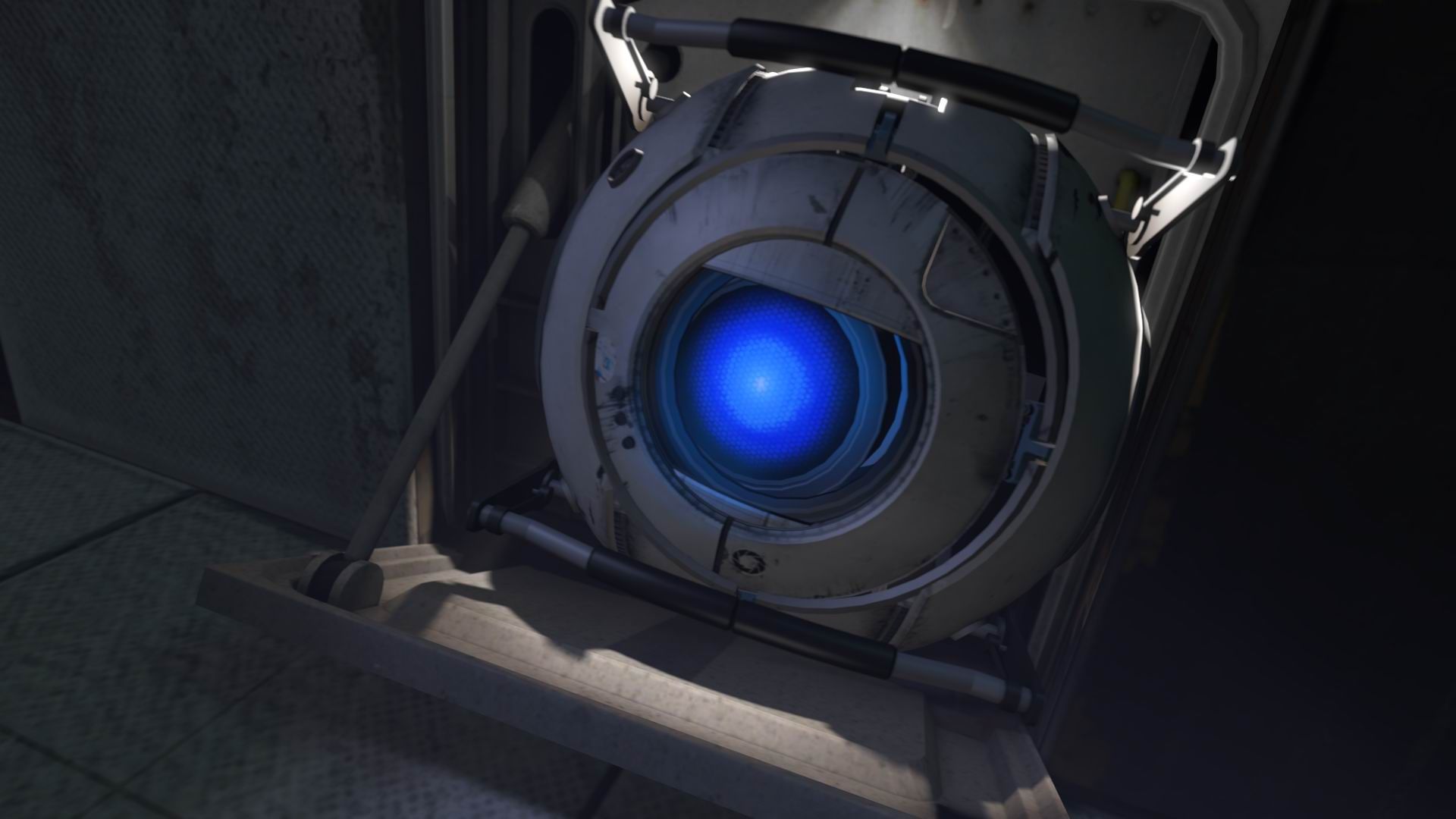
Unveiling a Forgotten Piece of Valve History
Valve’s iconic Portal series has long been celebrated for its clever puzzles and memorable AI, but a recently uncovered prototype offers a fresh look at the studio’s early creative experiments. The game, titled F‑Stop, was discovered and uploaded online after nearly twenty years of obscurity, providing fans and historians a glimpse into a forgotten chapter of Valve’s development pipeline.
What Is F‑Stop?
According to a report by PC Gamer, F‑Stop is a prototype that emerged from a Valve game jam held in 2007, shortly after the release of the Orange Box. The jam was a short, internal event where Valve developers pushed the boundaries of their existing technology and design ideas. F‑Stop is described as a prequel to the Portal universe, suggesting it explores the earlier days of Aperture Science and the events that eventually lead to the portal gun’s invention.
While the prototype never advanced beyond its initial build, its survival and eventual public release shed light on Valve’s iterative process. The game’s mechanics, level design, and narrative hints offer a snapshot of the studio’s experimentation during a pivotal period in PC gaming history.
From Game Jam to the Internet
Valve’s culture has long embraced rapid prototyping and internal competitions. The Orange Box itself was a compilation that showcased the studio’s ambition and technical prowess. The 2007 game jam, a direct follow‑up, allowed developers to explore new concepts without the pressure of a commercial release. F‑Stop emerged from this environment, embodying Valve’s penchant for blending humor, physics, and storytelling.
After almost two decades, the prototype resurfaced on a public forum. While the exact circumstances of its discovery remain unclear, the upload has sparked interest among the community. The file’s presence on the internet provides a rare opportunity to experience Valve’s raw creative output from a time when the studio was still defining its identity in the post‑Half‑Life era.
The Portal Legacy Revisited
Portal’s influence on puzzle‑platformers and narrative design is well documented. By presenting a prequel prototype, F‑Stop invites speculation about how the Aperture Science story might have evolved. Even in its unfinished state, the game hints at early design decisions that later shaped the Portal experience—such as the emphasis on spatial reasoning and the integration of environmental storytelling.
Fans of the series will likely appreciate seeing how Valve’s design language developed. Although the prototype does not match the polished polish of the released titles, it serves as a valuable artifact for understanding the studio’s developmental trajectory.
What Fans Can Expect
Those who download or view F‑Stop should approach it as a work in progress. The prototype contains rough textures, incomplete level layouts, and placeholder dialogue. It is not a fully functional game, but rather a snapshot of a concept that never reached the final stages of production.
Despite its unfinished nature, the prototype offers a unique perspective on Valve’s creative process. For researchers, modders, and long‑time fans, it provides a tangible link to the studio’s past and a reminder of the experimental spirit that has driven many of Valve’s most beloved titles.
Valve’s Legacy of Experimentation
Valve’s history is marked by a willingness to take risks and explore unconventional ideas. From the early days of Half‑Life to the groundbreaking Portal series, the studio has repeatedly pushed the boundaries of interactive storytelling and game design. The resurfacing of F‑Stop underscores this tradition, showing that even concepts that never see the light of day can still contribute to the broader narrative of a studio’s evolution.
While the prototype may not rival the finished games that dominate Valve’s catalogue, it enriches the lore of the Portal universe and offers a rare window into the studio’s developmental mindsets. As Valve continues to innovate, artifacts like F‑Stop remind us that the journey from idea to polished title is often paved with experiments, iterations, and, occasionally, forgotten prototypes that finally find their audience.

No comments:
Post a Comment