
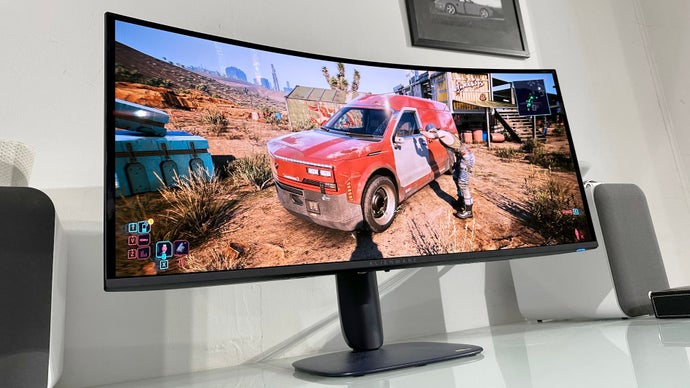
Why OLED Still Makes Sense for Gamers
In a recent piece for Rock Paper Shotgun, the author argues that, despite their higher cost and the risk of burn‑in, OLED displays remain the best choice for the next gaming monitor you buy. The argument hinges on a few key points that many gamers will find familiar: OLED panels deliver richer colours, deeper blacks, and faster response times than most LCDs. These attributes translate into a more immersive experience, especially in fast‑paced shooters and visually demanding titles.
The Cost Factor: Cheap Isn’t the Same as Affordable
One of the biggest objections to OLED is price. While the article acknowledges that the market for gaming monitors has generally become more affordable, it also notes that OLED panels are still a stretch to call cheap. The author points out that you can now find an OLED gaming monitor for under £300 (about $300), but that figure is still significantly higher than most LCD alternatives. For many players, the upfront cost is a decisive factor, especially when budgets are tight.
However, the piece also highlights that the price gap between OLED and LCD is narrowing. As manufacturers scale production and new models enter the market, the cost of OLED panels is expected to fall further. For those willing to invest a little more now, the long‑term payoff could be worth the extra spend, especially if the monitor’s performance justifies the premium.
Burn‑In: A Real Concern, But Not a Deal‑Breaker
Burn‑in is the primary technical hurdle that makes OLED a controversial choice for gaming. The article acknowledges that the risk of permanent image retention is a deal‑breaker for some users. This phenomenon occurs when static images are displayed for extended periods, potentially leaving a faint ghost of the image on the screen.
Despite this risk, the author argues that many modern OLED panels come with software mitigations such as pixel‑shift and automatic brightness limiting. These features can significantly reduce the likelihood of burn‑in if used properly. For gamers who rotate between titles and avoid long periods of static UI, the threat is considerably lower than it once was.
Performance Edge: Why OLED Wins the Day
Beyond colour and contrast, OLED panels also offer near‑instant response times. In competitive gaming, even a few milliseconds of lag can be the difference between a win and a loss. OLED’s self‑emissive technology allows pixels to change state faster than the backlight‑driven LCDs, giving players a smoother visual flow during high‑speed action.
Additionally, the higher refresh rates now available on OLED monitors—up to 240 Hz in some models—provide a significant advantage in fast‑paced shooters and racing games. The combination of high refresh rates and low response times makes OLED a compelling option for players who demand the best performance.
The Verdict: Is OLED Worth the Investment?
Ultimately, the article concludes that OLED remains the best choice for a next‑generation gaming monitor, provided you are aware of the cost and burn‑in considerations. For gamers who prioritise visual fidelity and performance and are willing to invest a bit more, OLED offers a clear advantage over LCD. For those on a tighter budget, the price premium may still be a barrier.
For anyone considering a new monitor, the takeaway is to weigh the benefits of OLED—deep blacks, fast response, high refresh rates—against its higher cost and potential burn‑in risk. If you can manage the latter with proper usage and are ready to pay the premium, OLED may well be the best investment for your next gaming setup.

No comments:
Post a Comment